5 Hidden Gem Campgrounds That Will Transform Your Next Road Trip

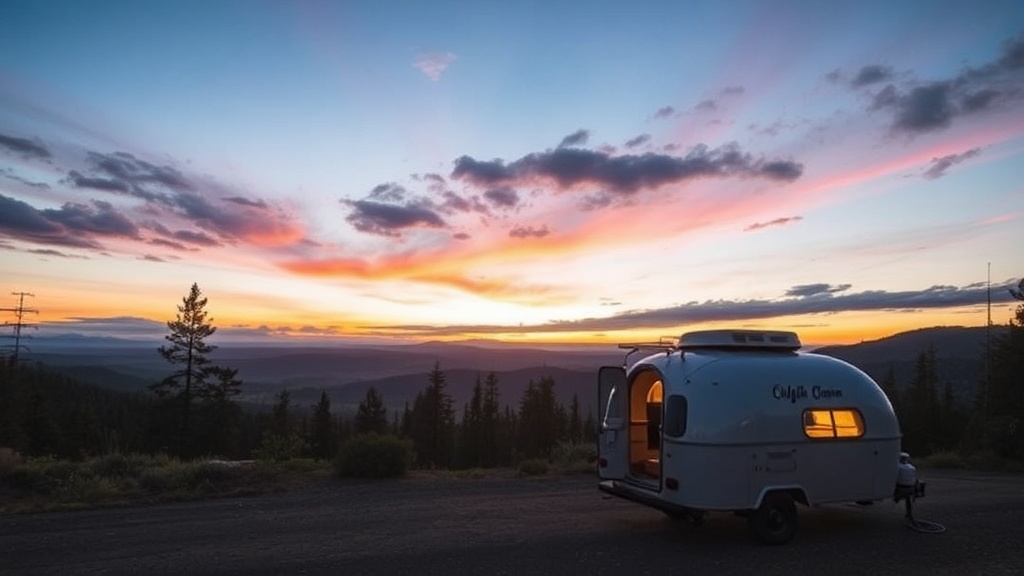
Lost Creek Overlook, Montana
Devil's Garden Underground Camp, Utah
Hurricane River Primitive Sites, Michigan
Lake Walcott Shoshone Camp, Idaho
Cumberland Island Wilderness, Georgia
Road trips live or die by where you lay your head. The difference between a memorable journey and a forgettable drive often comes down to the campground—the spot where stories get swapped, meals get cooked over open flames, and the day's miles finally catch up with you. This guide unpacks five lesser-known campgrounds that deliver something special: stunning scenery, fewer crowds, and that particular magic that happens when the fire crackles and the stars come out.
What Makes a Campground a "Hidden Gem"?
A true hidden gem isn't just off the beaten path—it's a place where the ratio of natural beauty to camper density tilts heavily in your favor. These spots lack the RV park aesthetic (row after row of concrete slabs and hookups) in exchange for something wilder, quieter, more intimate.
The best hidden gems share a few traits:
- Limited sites—usually under 50, often first-come, first-served
- Natural features that larger parks can't replicate (slot canyons, hot springs, old-growth forests)
- Minimal amenities—pit toilets and fire rings, not swimming pools and camp stores
- Dark skies—far enough from city lights for real stargazing
Here's the thing: these places require a bit more planning. Reservations might not exist. Cell service probably doesn't either. But that's precisely the point.
Where Can You Camp Beside Natural Hot Springs Without the Crowds?
Buckeye Hot Springs in California's Eastern Sierra offers exactly that—a soak in 100-degree mineral water with the Sawtooth Range as your backdrop.
Located about 30 minutes south of Bridgeport, this Bureau of Land Management area sits at 7,000 feet elevation. The main soaking pool cascades down a rocky hillside into several smaller pools, each a slightly different temperature. Campers pitch tents on the sagebrush flats above, waking to steam rising in the morning chill.
The catch? The five-mile access road is rough—high clearance recommended, though determined sedans make it slowly. There are no designated sites, no picnic tables, no established fire rings. You pack in everything (including water—bring the REI Co-op Dromedary Bags for weight and durability) and pack out every scrap of trash.
Best visited in late spring through fall. Winter snow closes the road. Summer weekends draw locals, so Tuesday through Thursday offers the most solitude. The soaking etiquette here matters: clothing optional after dark, but during the day, keep it family-friendly or hike upstream to the clothing-optional pools.
Which Campground Offers the Best Basecamp for Exploring Glacier National Park Without the Reservation Headache?
Polebridge Mercantile and Campground sits just outside Glacier's northwest entrance, where the pavement ends and the real Montana begins.
This tiny outpost—population roughly 100—feels like a time capsule. The Mercantile, built in 1914, still operates as a general store, bakery, and social hub. Behind it, a grassy field accommodates tents and small RVs. No hookups. No dump station. Just flat ground, a few picnic tables, and some of the darkest skies in the Lower 48.
From here, you're 20 minutes from the park's Inside North Fork Road—a rough, dusty track that sees maybe a dozen vehicles daily. This corner of Glacier contains Bowman Lake, one of the park's most photographed spots, without the tour buses. You'll spot bears, moose, and the occasional wolverine (seriously—the National Park Service tracks them here).
The Mercantile bakes huckleberry bear claws each morning. Grab one with coffee, fill your water bottles, and disappear into the park's wildest quadrant. Worth noting: the North Fork area has no gas, no cell service, and spotty road conditions. Check with the Mercantile staff about current conditions before venturing deep.
What Is the Most Underrated Coastal Camping Experience on the East Coast?
Assateague Island National Seashore in Maryland and Virginia delivers wild horses, salt marshes, and oceanfront campsites that rival anything in the Carolinas or Florida—at a fraction of the cost and crowd density.
The Maryland side offers the most developed (relatively speaking) camping at the National Park Service's Assateague Island Campground. Two loops—Bayside and Oceanside—put you either on the marsh or steps from the Atlantic. The Virginia side, managed by the Chincoteague National Wildlife Refuge, offers more primitive walk-in sites at Pine Tree and Toms Cove.
The horses are the draw—feral descendants of livestock brought by 17th-century settlers. They wander through campsites, raid coolers left unattended, and generally behave like they own the place (because legally, they do—these are protected animals, not pets).
Here's a quick comparison of the two sides:
| Feature | Maryland Side | Virginia Side |
|---|---|---|
| Campground style | Drive-in with amenities | Walk-in, more primitive |
| Horse encounters | Frequent, especially mornings | Less common |
| Beach access | Direct from Oceanside loop | Short walk required |
| Mosquito intensity | Legendary (bring bug spray) | Moderate |
| Reservation system | Recreation.gov, book early | First-come, first-served |
Fall is the sweet spot—warm days, cool nights, fewer bugs. The horses grow shaggy coats and seem almost tame as they graze along the roadsides.
Is There a Desert Campground That Actually Stays Cool in Summer?
Oak Flat Campground in Arizona's Tonto National Forest defies desert logic. At 3,700 feet elevation, surrounded by Emory oaks and ponderosa pines, temperatures here run 15-20 degrees cooler than Phoenix just an hour south.
The campground sits atop a massive porphyry copper deposit—one of the largest in North America. That geology created the canyon below, where Devil's Canyon Creek pools in swimming holes accessible by a steep, rocky trail. The water stays chilly year-round, fed by springs higher up.
Climbers know Oak Flat for the welded tuff cliffs—world-class bouldering and sport routes within walking distance of camp. The rest of us come for the shade, the swimming, and the silence. At night, the Milky Way arches overhead with such clarity you can see the dark dust lanes.
Sites are spread across several loops, some with pull-through parking for trailers (though length limits apply). Vault toilets, no water—haul your own or treat the creek water. The Forest Service manages 23 sites on a first-come basis, so Thursday arrivals secure the best spots for weekend stays.
That said, Oak Flat carries cultural weight beyond recreation. The San Carlos Apache Tribe considers this land sacred. Recent mining proposals have threatened the area. Camp here while you can—and tread lightly.
What's the Best Kept Secret for Fall Foliage Camping in New England?
Ricker Pond State Park in Vermont's Groton State Forest offers 50 sites on a pristine pond, surrounded by hardwoods that explode into color each October—without the traffic jams and $300 hotel rooms found further south in the White Mountains.
The park occupies a corner of Vermont's "Northeast Kingdom," a region so rural that cell service remains spotty and general stores close at 6 PM. Ricker Pond itself allows electric motors only (no combustion engines), so the water stays quiet. Loons call at dawn and dusk. The fishing—smallmouth bass, perch, the occasional trout—rewards patient anglers.
Sites 1-15 sit right on the water, separated by enough trees for privacy. Site 7 offers the best sunset views. Site 12 has a small beach area perfect for launching kayaks (bring the Werner Camano paddle—the two-piece breaks down for easy transport). Sites 25-40 occupy a wooded hillside, better for those seeking shade over waterfront.
The Groton State Forest connects to miles of hiking trails. Owl's Head Mountain (a 2.6-mile round trip) delivers panoramic views of the Green Mountains, White Mountains, and on clear days, the Presidential Range. Boulder Beach—five minutes by car—features massive glacial erratics perfect for sunbathing or jumping into the lake.
Reservations open six months in advance through Vermont State Parks. Columbus Day weekend books instantly, but the week before offers peak color with half the crowds. Night temperatures drop to the 30s—pack the Marmot Trestles Elite Eco 20 or similar cold-weather bag.
How Do You Actually Get a Site at These Places?
Here's the practical stuff no one tells you:
- Have a Plan B. First-come, first-served means exactly that. Scout multiple options within an hour's drive.
- Arrive Tuesday through Thursday. Weekend warriors clear out Sunday afternoon. Monday arrivals get first pick of newly vacated sites.
- Bring cash. Many hidden gems use iron ranger payment systems—envelopes, no change given.
- Check fire restrictions before you go. The West burns regularly now. A camp stove backup (the Coleman Triton runs on propane and simmers better than most backpacking stoves) saves dinner when wood fires get banned.
- Download offline maps. Google Maps fails where these campgrounds succeed.
The gear matters less than the mindset. Show up prepared to adapt, to embrace uncertainty, to trade convenience for something harder to quantify—that feeling when the fire dies to embers and the only sound is an owl somewhere in the dark. That's what road trips are for. That's what these places deliver.