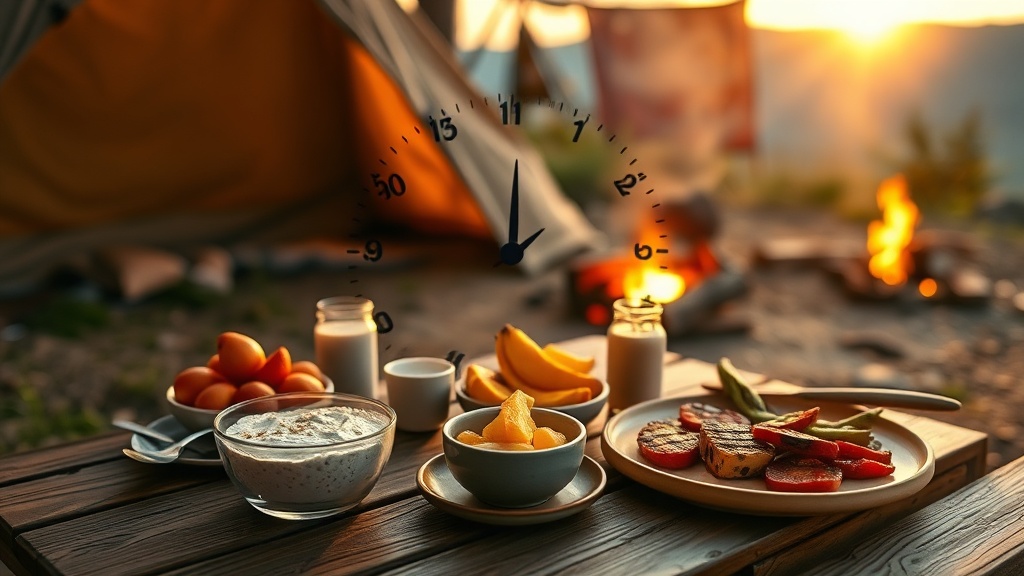
Bio-Harmony: Sync Your Meals with Your Circadian Rhythm for Spring Wellness

Why does my stomach feel off when I eat late at night?
Ever notice that late‑night snack leaves you groggy the next morning? That’s your circadian rhythm—your body’s 24‑hour internal clock—sending signals that it’s time to wind down. When you push meals into the night, you’re basically shouting at a sleepy night‑shift worker. The result? Disrupted digestion, poorer sleep, and a sluggish metabolism.
What is bio‑harmony and why should I care?
Bio‑harmony is the sweet spot where your eating habits line up with your body’s natural rhythms. Think of it as a campfire that’s perfectly stoked: the right amount of wood (food), at the right time, gives you steady heat (energy) without choking the flames. Aligning meals with your circadian clock can improve insulin sensitivity, boost gut health, and even help you shed a few extra pounds—perfect for a spring reset.
When is the best time to eat breakfast?
Answer: Aim for within an hour of waking, ideally before 9 am. Your cortisol levels peak in the early morning, priming your body to handle carbs and protein efficiently.
Practical tip: Set a simple morning ritual—brew a cup of coffee (or tea) and enjoy a bowl of overnight oats topped with fresh berries while the sunrise paints the campsite. Read how a sunrise cup of coffee can kick‑start your day.
How should lunch fit into my circadian rhythm?
Midday is your body’s “maintenance window.” Aim for a balanced lunch between 12 pm and 2 pm. This is when your digestive enzymes are most active, and glucose tolerance is highest.
Try a hearty campfire salad: mixed greens, grilled chicken, roasted sweet potatoes, and a drizzle of olive oil. The combination of protein, complex carbs, and healthy fat keeps you fueled for afternoon hikes without the post‑lunch crash.
Is a late afternoon snack okay?
Yes—if you keep it light and protein‑rich. A snack around 4 pm can bridge the gap to dinner and stabilize blood sugar. Think a handful of almonds, a slice of cheese, or a small apple with peanut butter.
When should I have dinner, and why does timing matter?
Finish eating at least 3 hours before bedtime, ideally before 7 pm in spring. Your body’s core temperature drops in the evening, signaling it’s time to rest. Heavy meals late at night keep the furnace burning, delaying that natural cooldown.
My go‑to dinner on a spring evening is a one‑pot campfire stew—lean beef, root vegetables, and herbs simmered in a Dutch oven. It’s satisfying, nutrient‑dense, and easy to digest.
What about fasting or “time‑restricted eating”?
Research shows a 10‑hour eating window (e.g., 7 am – 5 pm) aligns well with natural light cycles and can improve metabolic health. If you’re new to it, start with a 12‑hour window and gradually tighten it.
How does light exposure tie into meal timing?
Morning sunlight boosts cortisol and melatonin regulation, while evening blue‑light exposure (screens, bright lights) can push your clock later. Pair your breakfast with a sunrise walk, and dim the lights after sunset to reinforce your meal schedule.
What are the top three bio‑harmony mistakes to avoid?
- Eating right before bed: This spikes insulin and disrupts sleep cycles.
- Skipping breakfast: Your body thinks it’s still in “fast‑forward” mode, leading to overeating later.
- Irregular meal times: Inconsistent schedules confuse your internal clock, causing hormonal imbalances.
Takeaway: Your Spring Bio‑Harmony Checklist
- Eat breakfast within an hour of waking (before 9 am).
- Have a balanced lunch between 12 pm – 2 pm.
- Snack light, protein‑rich foods around 4 pm.
- Finish dinner by 7 pm and start winding down.
- Get natural sunlight in the morning; dim lights after sunset.
- Consider a 10‑hour eating window for optimal results.
Give these steps a try on your next campfire weekend. You’ll notice steadier energy, better sleep, and maybe even a slimmer waistline as spring rolls in.
Related Reading
- The Morning Fire: Why the Best Cup of Coffee Comes Before Anyone Else Wakes Up – A deep dive into how early‑day caffeine syncs with your clock.
- The Spring Fire: Why March Is the Best Month to Start Your Campfire Season – Harness spring’s daylight for healthier routines.
- Campfire Chili in a Dutch Oven: The Ultimate Spring Recipe Guide – A hearty, nutrient‑packed meal that fits perfectly into a bio‑harmony dinner.
- Spring Cleaning Essentials: Practical Tips for a Fresh Start – Declutter your kitchen and pantry to support clean eating.
- Best Portable Campfire Stoves for Spring 2026 – Choose the right stove to keep your meals hot without over‑cooking.