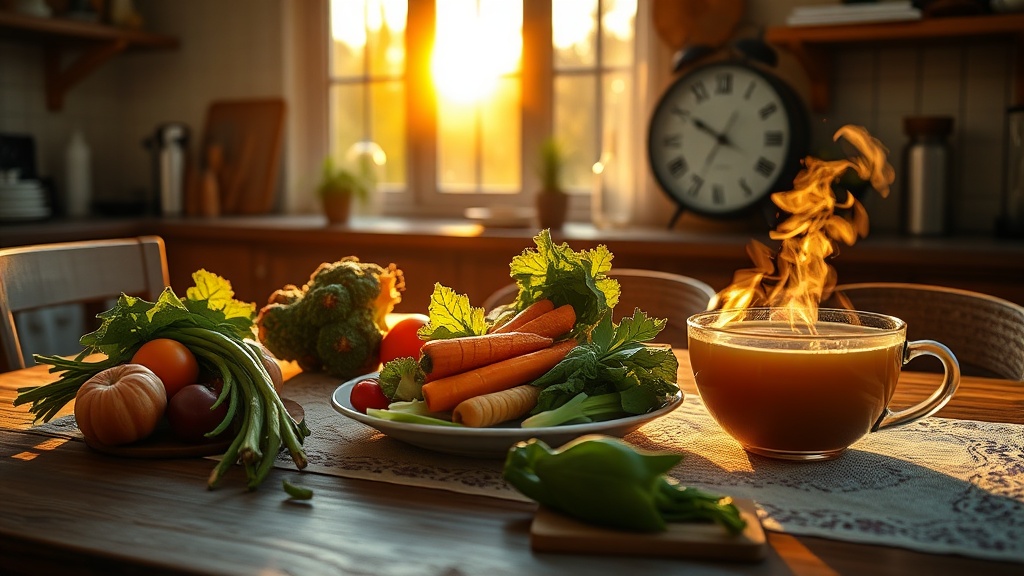
Bio‑Harmony: Aligning Your Meals with Your Body’s Natural Rhythm This Spring

Hook
Ever wondered why a hearty breakfast feels so right when the sun’s just peeking over the hills, but a late‑night snack leaves you tossing? It’s not magic—it’s your body’s internal clock, and syncing your meals to it can turn everyday eating into a spring‑time health boost.
Context
Spring is the season of renewal. As daylight stretches, our circadian rhythm—our 24‑hour biological orchestra—shifts, influencing hormone release, digestion, and even mood. Aligning meals with this rhythm, a concept known as chrononutrition, lets you harvest the season’s fresh bounty while supporting sleep, energy, and overall wellbeing.
What Is the Body’s Natural Rhythm and Why Does It Matter?
Your circadian rhythm is driven by the suprachiasmatic nucleus in the brain, which responds to light cues and coordinates peripheral clocks in the liver, gut, and muscles. When you eat at times that clash with these clocks, you can experience sluggish digestion, blood‑sugar spikes, and poorer sleep quality. Studies from the National Institute of Health (NIH) and Harvard Health Publishing demonstrate that meal timing can affect metabolism as much as what you eat.
"Chrononutrition emphasizes that the timing of food intake is a powerful regulator of metabolic health." — Harvard Health, 2025
How Spring Shifts Your Clock
Daylight Saving Time adds an hour of evening light, nudging the central clock later. This shift subtly changes when cortisol peaks, when appetite hormones like ghrelin rise, and when insulin sensitivity is highest. In other words, the golden window for optimal digestion moves forward.
How to Build a Bio‑Harmony Meal Plan for Spring
1. Start with a Light‑First, Light‑Last Philosophy
- Breakfast (6 – 9 am): Aim for protein‑rich foods (eggs, Greek yogurt) paired with fresh spring produce (asparagus, strawberries). Light exposure within 30 minutes of waking—think a short walk or a sun‑lit porch—reinforces the morning clock.
- Lunch (12 – 2 pm): This is the metabolic peak when insulin sensitivity is highest. Favor balanced plates: lean protein, complex carbs, and colorful veggies. A side of fermented foods (kimchi, sauerkraut) supports gut clocks.
- Dinner (6 – 8 pm): Keep it lighter and earlier than the typical 9 pm dinner. Focus on vegetables, healthy fats, and modest protein. Avoid heavy carbs after 8 pm to prevent the evening melatonin dip.
2. Sync Snacks to Your Energy Dips
Mid‑morning (10 am) and mid‑afternoon (4 pm) are natural dip points. Choose low‑glycemic snacks—nuts, fruit, or a small piece of dark chocolate—to keep blood sugar steady without over‑stimulating digestion.
3. Leverage Seasonal Spring Foods
Spring offers a bounty of low‑calorie, high‑water vegetables (radishes, peas, arugula) that are easy on the gut. Their natural sugars align well with the body’s heightened insulin response in the early afternoon.
4. Pair Light Exposure With Meals
- Morning: Eat near a sunny window or outdoors. Natural light boosts cortisol, priming the gut for digestion.
- Afternoon: A brief post‑lunch walk in the sun can reinforce the metabolic surge.
- Evening: Dim lights after dinner signal melatonin production, enhancing sleep quality.
5. Hydrate With Rhythm
Sip water consistently, but avoid large volumes right before bed. Herbal teas—like chamomile or mint—can serve as a gentle wind‑down cue.
Common Mistakes and How to Fix Them
| Mistake | Why It Hurts | Quick Fix |
|---|---|---|
| Late‑night heavy meals | Disrupts melatonin, slows digestion | Shift dinner to 6‑8 pm, keep portions modest |
| Skipping breakfast | Misses the cortisol‑driven metabolic boost | Prepare a grab‑and‑go protein snack for busy mornings |
| Eating in dim light | Weakens light cues, throws off the central clock | Add a 5‑minute sunrise light box or sit by a window |
| Relying on processed snacks | Spikes insulin, creates gut clock misalignment | Swap for nuts, seeds, or fresh fruit |
My Personal Spring Bio‑Harmony Routine
I start each day with a campfire‑style breakfast on my porch: two scrambled eggs, a handful of sautéed asparagus, and a cup of mint tea while the morning sun paints the hills gold. After a short hike, I lunch on a portable table with grilled chicken, quinoa, and a spring pea salad—always under the open sky. Dinner is a simple roasted vegetable medley with a drizzle of olive oil, finished by a cozy cup of chamomile as the fire crackles.
This routine not only fuels my writing but also keeps my evenings calm enough for those late‑night story‑telling sessions around the fire.
Takeaway: Your Spring Bio‑Harmony Checklist
- Morning (6‑9 am): Protein + spring veg + sunlight
- Mid‑morning snack (10 am): Nuts or fruit
- Lunch (12‑2 pm): Balanced plate, fermented side, sun walk
- Afternoon snack (4 pm): Low‑glycemic bite
- Dinner (6‑8 pm): Light veg‑heavy, dim lights after
- Hydration: Water throughout, herbal tea after dinner
Aligning meals with your body’s rhythm isn’t a strict regimen—it’s a flexible, seasonal dance. Start with one change this week, feel the difference, and let spring’s renewal guide your plate.
Related Reading
- Bio‑Harmony: How Timing Your Meals Boosts Spring Wellness – A quick guide on meal timing basics.
- Spring Refresh: Optimizing Your Sleep Sanctuary for Age‑Defying Rest – How sleep fits into the circadian puzzle.
- The Morning Fire: Why the Best Cup of Coffee You'll Ever Drink Comes Before Anyone Else Wakes Up – My take on early‑day caffeine and rhythm.
Excerpt (150 chars): Discover how to align meals with your body’s spring rhythm for better energy, sleep, and overall health.
Meta Keywords: bio-harmony, circadian rhythm, meal timing, spring health, chrononutrition
Tags: bio-harmony, circadian rhythm, meal timing, spring wellness, nutrition
Category: health & wellness
FAQ (optional) – added to meta
{
  "meta": {
    "faqs": [
      {"question": "What is the best time to eat breakfast for circadian health?", "answer": "Aim for 6 – 9 am, ideally within an hour of natural light exposure, to sync cortisol and digestion."},
      {"question": "Can I have a late‑night snack without disrupting my rhythm?", "answer": "If you need a snack after 8 pm, keep it small, low‑glycemic, and avoid heavy proteins or carbs."},
      {"question": "Do I need to follow this plan every day?", "answer": "Consistency helps, but occasional deviation is fine—listen to your body and adjust as needed."}
    ]
  }
}