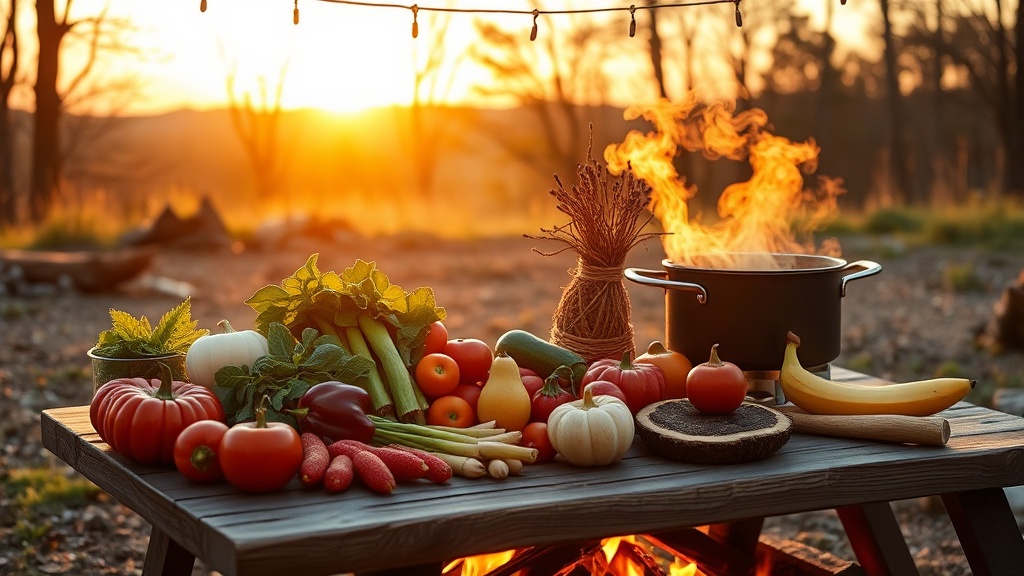
Bio‑Harmony Eating: Sync Meals with Your Circadian Rhythm

Ever feel like your energy spikes and crashes at the most inconvenient times? That’s not just bad luck—it’s your body’s internal clock out of sync with what you’re eating. In this spring, I’m sharing a step‑by‑step guide to bio‑harmony: aligning your meals with your circadian rhythm so you can enjoy longer days, better sleep, and a brighter mood.
Why does meal timing matter for spring wellness?
Our circadian rhythm is a 24‑hour cycle that regulates hormones, metabolism, and even digestion. When you eat at times that clash with this natural rhythm, you can experience sluggishness, cravings, and disrupted sleep. As daylight stretches and temperatures rise, spring is the perfect season to reset your eating schedule and harness the daylight for healthier habits.
How can I figure out my personal circadian window?
Start by tracking when you naturally feel most alert and when you wind down. For the past week, note the times you feel energized after meals and the times you feel sluggish. My morning fire ritual—the first coffee by the campfire—helps me spot those peaks.
What foods should I prioritize at different times of day?
- Morning (6 am‑10 am): Light, protein‑rich foods like Greek yogurt, eggs, or a spring veggie omelet. Pair with a cup of coffee brewed over a low‑heat fire for a gentle caffeine lift.
- Midday (11 am‑2 pm): Balanced meals with complex carbs, lean protein, and plenty of greens. Think a quinoa salad with asparagus, peas, and grilled chicken—perfect for a roadside picnic. Snack ideas can be adapted into a light lunch.
- Afternoon (3 pm‑5 pm): Small, nutrient‑dense snacks to keep energy steady—nuts, fruit, or a slice of maple‑apple crisp for a sweet boost.
- Evening (6 pm‑9 pm): Heavier, slower‑digesting foods like roasted root vegetables, beans, and a lean protein. A campfire‑cooked stew with carrots and sweet potatoes supports the body’s nighttime repair processes.
How do I create a spring‑focused meal schedule?
Below is a simple template you can copy onto a sheet or a phone note. Adjust the times to fit your own rhythm.
06:30 – Hydrate + Light protein (yogurt + berries)
09:30 – Breakfast (scrambled eggs + spinach, coffee over fire)
12:00 – Lunch (quinoa‑veggie bowl, water)
15:00 – Snack (handful of almonds + apple)
18:30 – Dinner (campfire stew, herbal tea)
20:30 – Light snack (herbal tea + a few dates) – optional if still hungry
Notice the gradual tapering of carbs as the day winds down. This mirrors the natural decline of cortisol, helping you unwind.
What are quick‑prep tips for busy days?
- Batch‑cook on weekends: Prepare a big pot of stew, quinoa, and roasted veggies on Saturday. Store in portion‑sized containers for easy reheating.
- Use portable fire‑friendly cookware: A Dutch oven or cast‑iron skillet lets you finish meals on the campsite without extra gadgets.
- Keep a “grab‑and‑go” fridge bag: Fill it with pre‑washed greens, cheese sticks, and boiled eggs for a fast lunch.
- Set reminders: A simple phone alarm titled “Eat like the sun” nudges you to eat before you get distracted.
How can I stay consistent while traveling?
Travel throws routine off, but a few habits keep you on track:
- Pack a reusable container for leftovers.
- Choose accommodations with a small kitchen or campfire area.
- Prioritize meals that require minimal prep—think one‑pot dishes.
- Follow my 20‑minute fire start routine to set a calm environment before dinner.
What does the science say?
Research from the National Institute of Child Health and Human Development shows that eating within a 10‑hour window aligned with daylight improves insulin sensitivity. Harvard Health reports that synchronized eating can boost metabolic health and even aid weight management (Harvard Health, 2024). The Sleep Foundation also notes that late‑night meals are linked to poorer sleep quality (Sleep Foundation, 2025).
What’s the next step?
Start tomorrow. Pick one of the sample menus, set your alarms, and enjoy a sunrise breakfast over the fire. Track how you feel for a week—note energy levels, sleep quality, and mood. Adjust the timing or food choices based on your observations. The goal isn’t perfection; it’s a sustainable rhythm that feels natural.
Takeaway
Bio‑harmony isn’t a strict diet; it’s a flexible framework that respects your body’s clock while celebrating spring’s fresh bounty. By syncing meal timing and food choices with daylight, you’ll fuel your adventures, stay energized on the road, and end each day with a calm, satisfied gut.
Ready to try? Grab a skillet, fire up the camp stove, and let the sunrise guide your first spring breakfast. Your body will thank you.