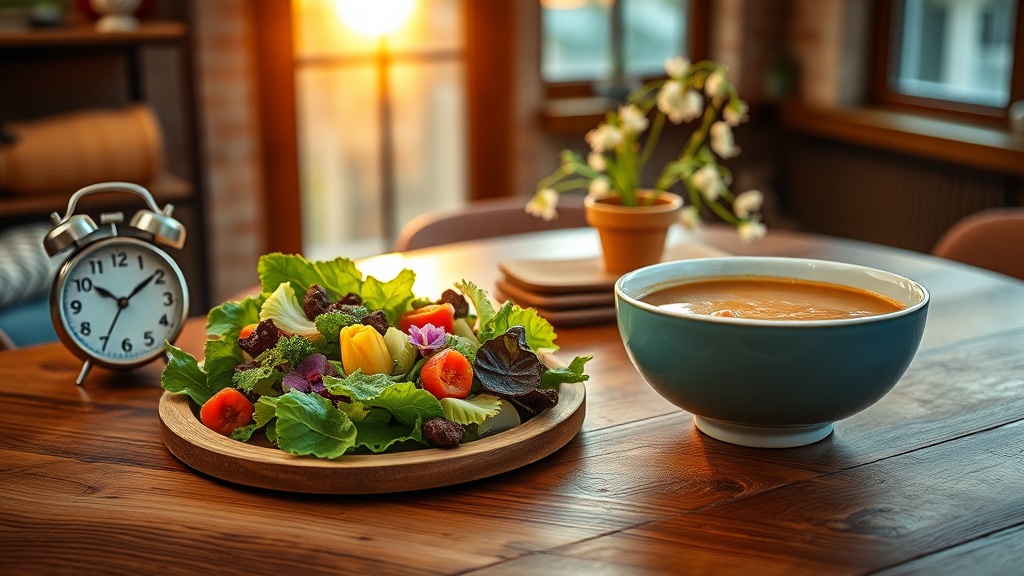
Bio‑Harmony: How Timing Your Meals Boosts Spring Wellness

What Is Circadian Rhythm and Why Does It Matter?
Our bodies run on a 24‑hour internal clock, the circadian rhythm, which orchestrates everything from hormone release to digestion. When the rhythm is in sync, you feel alert in the morning, focused in the afternoon, and ready for rest at night. Miss the beat, and fatigue, sluggishness, and even weight gain can creep in.
How Does Meal Timing Influence Your Body Clock?
Food is a powerful cue for the suprachiasmatic nucleus – the brain’s master clock. Eating too late can push the clock forward, making it harder to wind down. Conversely, a well‑timed breakfast signals “daytime” to your metabolism, sharpening alertness. Research from the Journal of Chronobiology (2023) shows that aligning meals with daylight improves glucose handling by up to 15 %.
What Are the Best Eating Patterns for Spring?
Spring is a natural reset. Here are three simple patterns that mesh with the season’s light:
- Sunrise Breakfast: Aim for a nutrient‑dense meal within an hour of waking – think oatmeal topped with fresh berries, a handful of nuts, and a splash of almond milk.
- Mid‑Day Light Lunch: Keep it light and colorful. A spring salad with mixed greens, grilled chicken, and a citrus vinaigrette fuels your afternoon adventures without overloading digestion.
- Early Evening Dinner: Finish eating at least three hours before bedtime. A hearty stew or roasted vegetables with a lean protein gives you the satiety you need without disturbing sleep.
How Can You Implement Bio‑Harmony in Your Daily Life?
Here’s a step‑by‑step plan you can start tomorrow:
- Set a Wake‑Up Window. Wake up within the same 30‑minute window each day, even on weekends. I start my mornings at 7:30 AM with a cup of campfire‑roasted coffee – the perfect prelude to sunrise.
- Plan Your First Meal. Keep breakfast simple and protein‑rich. I like a scrambled‑egg and veggie wrap that I can pack for a hike.
- Schedule Lunch Around Noon. Use a timer on your phone to remind you to break for a spring‑fresh salad.
- Set a “Dinner Cut‑Off”. Mark 6 PM on your kitchen clock and stick to it. If you’re cooking over a fire pit, aim to have the fire out by 7 PM.
- Track Your Energy. Jot down how you feel after each meal. Over a week you’ll see patterns emerge – maybe a later lunch works better for you.
What Common Mistakes Should You Avoid?
Even with good intentions, it’s easy to slip:
- Late‑Night Snacks. A midnight marshmallow‑dip might feel cozy, but it pushes your clock forward and disrupts sleep.
- Skipping Breakfast. Skipping “the most important meal” can actually cause your body to think it’s still night, leading to sluggishness.
- Inconsistent Wake‑Times. Varying your wake‑up hour by more than an hour confuses the rhythm; aim for consistency.
What’s the Takeaway?
Syncing your meals with the natural light of spring isn’t a strict diet – it’s a gentle alignment that boosts energy, sharpens focus, and sets you up for restful nights by the campfire. Start with a sunrise breakfast, keep lunch light, and finish dinner early. Your body will thank you, and you’ll be ready for every trail, story, and s’mores session that the season brings.
Want More Spring Wellness Tips?
Check out these related reads that fit right into your bio‑harmony journey:
- Spring Refresh: Optimizing Your Sleep Sanctuary for Age‑Defying Rest – learn how a cool, dark bedroom complements your meal timing.
- Spring Forward: Daylight Saving Tips for an Age‑Defying Routine – practical steps to adjust your clock when the days lengthen.
- The Morning Fire: Why the Best Cup of Coffee Comes Before Anyone Else Wakes Up – my favorite pre‑dawn ritual that pairs perfectly with a sunrise breakfast.
- Spring Wardrobe Capsule: 10 Eco‑Friendly Essentials for March 2026 – dress the part of a refreshed, energetic you.
Gather round, try these timing tricks, and let the rhythm of spring fuel your next campfire story.