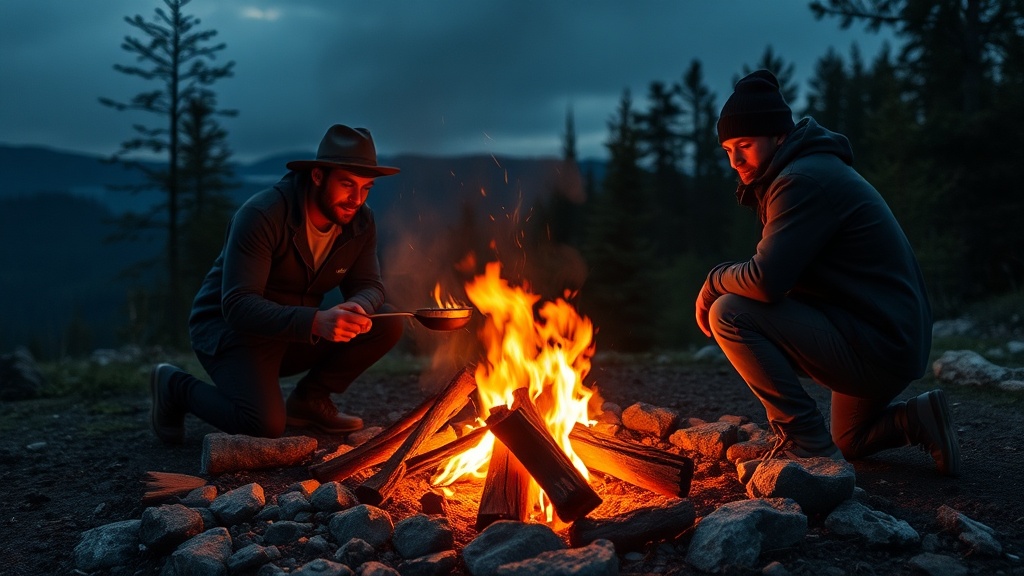
How to Build a Perfect Campfire: A Step-by-Step Guide for Beginners

Building a campfire isn't just about warmth—it's the centerpiece of every memorable outdoor gathering. This guide walks through selecting the right site, gathering materials, and constructing a fire that lights easily and burns safely. Whether you're planning a weekend at Yosemite or a backyard cookout, these steps transform the intimidating into the achievable.
What Materials Do You Need to Start a Campfire?
You'll need three specific types of fuel: tinder, kindling, and firewood. Each serves a distinct purpose in the fire-building process, and skipping any layer leads to frustration.
Tinder catches the initial spark. Think dry pine needles, birch bark, or commercial options like UCO Survival Fire Tinder. You'll want a handful—about the size of a softball.
Kindling bridges the gap between tinder and main fuel. Pencil-thick sticks work best. Gather enough to fill a grocery bag.
Firewood keeps the blaze going once established. Seasoned hardwoods (oak, maple, hickory) burn longer and hotter than softwoods. The catch? Hardwoods need more patience to ignite. Softwoods like pine light faster but pop more—fine for open pits, risky for enclosed spaces.
| Fuel Type | Size | Examples | Quantity |
|---|---|---|---|
| Tinder | Smaller than pencil lead | Dry leaves, birch bark, dryer lint | 1 large handful |
| Kindling | Pencil to finger thickness | Small sticks, split wood pieces | 2-3 armfuls |
| Firewood | Wrist to forearm thickness | Oak, maple, seasoned logs | Start with 5-6 logs |
Worth noting: damp wood kills more campfires than poor technique. Look for logs that sound hollow when knocked together. If the bark peels easily and the wood feels light for its size, you've got a winner.
Where Should You Build a Campfire?
Location determines everything—safety, legality, and how much you'll actually enjoy the evening. Always check local fire restrictions first. The U.S. Forest Service maintains current fire ban information for national forests, and state parks post their own regulations at trailheads and ranger stations.
Ideal sites share common traits. Look for mineral soil (sand, gravel, or packed dirt)—not vegetation. Keep at least 10 feet clearance from overhanging branches, tents, and gear. That said, fifteen feet beats ten when winds pick up.
Many established campgrounds provide steel fire rings. Use them. These contained pits prevent ground scarring and reduce escape risk. If you're in the backcountry without facilities, dig a shallow pit—six inches deep, three feet across—and ring it with stones. Here's the thing: never use river stones. The water trapped inside can expand and explode when heated.
Wind direction matters more than most beginners realize. Position yourself so smoke blows away from seating areas. Before striking a match, have water and a shovel nearby. Hope for the best, prepare for the rest.
What's the Best Way to Arrange Firewood?
Several proven structures exist, each suited to different purposes. The teepee and log cabin styles work best for beginners.
The teepee method offers the fastest lighting. Lean kindling sticks together in a cone over your tinder nest, leaving a small opening on the windward side for airflow. Light the tinder through this gap. As flames climb, add progressively larger fuel. This arrangement produces intense heat quickly—perfect for boiling water or warming cold hands.
The log cabin structure provides stability for cooking. Stack two larger logs parallel, then place two more perpendicular on top, creating a square. Build upward in alternating layers, placing tinder in the center. This design collapses gradually, creating a bed of coals ideal for cast-iron cooking.
Here's the thing about the lean-to method (one long log with kindling leaned against it)—it's wind-resistant but slower to establish. The star fire (logs radiating from center) works for overnight burns requiring minimal tending. That said, stick with teepee or log cabin until you've mastered the basics.
Step-by-Step Construction
- Clear a five-foot radius around your fire site. Remove leaves, pine needles, and anything that burns.
- Build your tinder nest in the center. Fluff it—dense material suffocates sparks.
- Arrange kindling in your chosen structure. Don't pack tight; fire needs oxygen.
- Place two or three small logs on top, leaving gaps between them.
- Strike your match and hold it to the tinder at multiple points. The bottom lights best.
- Blow gently at the base once flames appear. You're not trying to extinguish a birthday candle—you're coaxing a living thing to life.
- Add larger fuel gradually. Too much, too fast smothers what you've built.
How Do You Light a Campfire Safely?
Matches work. So do lighters. But ferro rods—those magnesium strikers sold by brands like Light My Fire—reliably produce sparks even when wet. Scraping one sends 5,000-degree sparks into tinder. Practice at home first; the technique (firm pressure, quick downward stroke) feels awkward initially.
Never use gasoline, lighter fluid, or other accelerants on established fires. The flash can travel up the stream to the container. Every year, emergency rooms treat campers who learned this lesson the hard way. If your tinder won't catch, your materials are too damp or your structure too tight. Fix the root problem instead of reaching for the dangerous shortcut.
Once lit, maintain the fire responsibly. Keep it manageable—flames shouldn't exceed three feet high in most situations. Never leave burning fires unattended. When it's time to sleep or leave, extinguish completely.
The Drown, Stir, Feel Method
Douse the fire with water. Stir the ashes with a shovel, exposing hidden embers. Douse again. Feel the coals with the back of your hand (carefully). If anything feels warm, repeat. The fire isn't out until you can touch the remains without discomfort.
What About Campfire Cooking Basics?
Once you've established a stable fire, cooking becomes possible. Wait for the intense flames to subside—cooking happens over glowing coals, not leaping fire. This usually takes 30-45 minutes after initial lighting.
Direct grilling works over any established fire. Place a grate across stones or use the built-in grill found in many campground fire rings. Hamburgers, sausages, and vegetable skewers cook quickly this way. For more elaborate meals, invest in a cast-iron Dutch oven. Lodge Manufacturing's camp ovens include legs that straddle coals and flat lids that hold additional heat on top.
Foil packet cooking requires zero special equipment. Wrap seasoned potatoes, corn, or fish in heavy-duty aluminum foil, seal tightly, and nestle among the coals. Turn occasionally. In 20-30 minutes, dinner emerges steaming and flavorful.
Marshmallows and s'mores need attention. Hold them high above flames, rotating constantly for even browning. (Purists scorch the exterior for that carbon crunch. You do you.) Hershey's chocolate and Honey Maid graham crackers remain the classic combination, though swapping in peanut butter cups or using chocolate-covered cookies elevates the experience.
Troubleshooting Common Problems
Smoke follows you. It doesn't—smoke rises where physics sends it. You're simply sitting in the rotating path. Move your chair or accept your fate.
Fire keeps going out. Three causes: wet wood, insufficient tinder, or poor airflow. Add dry material. Loosen your structure. Blow gently at the base.
Everything burns too fast. You're using softwood or your logs aren't large enough. Add bigger pieces. Reduce airflow by partially covering with ash. Build a smaller initial fire—huge flames consume fuel rapidly.
Can't get enough heat for cooking. Wait longer for coals to develop. Rake coals into an even layer. Add hardwood if available.
"The campfire is the one universal congregation point of humanity. Around it, strangers become friends and friends become family." — Traditional camping proverb
Mastering fire-building takes practice. Your first attempt might sputter. Your third will sustain itself. By your tenth, you'll arrange logs without thinking, reading wind and wood moisture automatically. The skills develop through repetition—each campfire teaches something new about patience, preparation, and the simple satisfaction of creating warmth from nothing but knowledge and natural materials.
Pack the marshmallows. Gather the stories. The fire's waiting.
Steps
- 1
Gather and Prepare Your Fire Materials
- 2
Build a Proper Fire Structure
- 3
Light and Maintain Your Campfire Safely