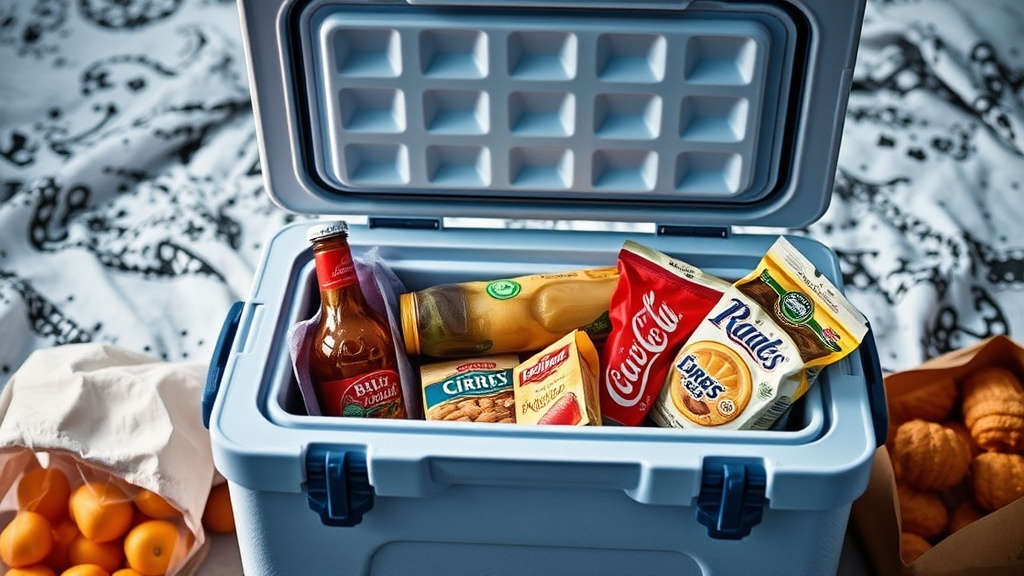
How to Pack Your Cooler So Food Stays Cold All Week

Why does my cooler always turn into a lukewarm bath by day three?
We've all been there—digging through murky water, pulling out soggy sandwich bread, and wondering where we went wrong. A poorly packed cooler doesn't just ruin your meals; it can spoil hundreds of dollars worth of food and cut your camping trip short. The good news? Keeping your provisions ice-cold for seven days (or longer) isn't about buying the most expensive cooler on the market—it's about technique. What follows is a systematic approach to cooler packing that old-school river guides and extended-trip campers have refined over decades. No fancy gadgets required—just some forethought, a few household items, and an understanding of how cold actually moves.
What's the best way to prepare my cooler before packing?
Most folks make their first mistake before they even load a single item. They pull a room-temperature cooler from the garage and expect it to perform miracles. Here's the reality: your cooler is insulation, not a refrigerator. It preserves temperature—it doesn't create it.
Start by pre-chilling your cooler at least 24 hours before departure. If it fits in your freezer, that's ideal. If not, dump a bag of ice inside and close the lid the night before you pack. This step brings the interior walls down to temperature so your fresh ice doesn't waste energy fighting warm plastic.
While your cooler chills, freeze everything that can be frozen. Meat, chili, stews, pasta sauce, even water in jugs—these frozen blocks serve dual purposes. They'll thaw slowly, keeping neighboring items cold, and you'll have cold drinking water as they melt. A gallon jug of frozen water stays cold for days longer than loose ice cubes, and it doesn't create that frustrating puddle at the bottom of your cooler.
How should I layer everything inside?
Think of your cooler as having zones—cold, colder, and coldest. The bottom sits closest to the ground (which stays cooler) and holds the most weight, so that's where your frozen items go. Stack frozen meat flat, like books on a shelf. Place sheets of cardboard or thin wood between layers to create insulation barriers.
Your middle zone holds items you need less frequently—dairy, eggs in a sealed container, vegetables. The top zone is for everyday items: drinks, lunch meat, condiments. This arrangement minimizes the time you spend with the lid open, hunting for the mayonnaise while precious cold air escapes.
Here's a pro move that river guides swear by: create a "sacrificial layer" on top. Fill ziplock bags with loose ice and place them directly under the lid. These bags absorb the brunt of warm air every time you open the cooler, protecting your food below. Replace them daily if you have access to more ice.
The ice-to-food ratio that actually works
Weekend campers often use a 1:1 ratio. For week-long trips, you need 2:1—twice as much ice as food by volume. That sounds extreme until you do the math: a 50-quart cooler should hold roughly 16 quarts of food and 34 quarts of ice. Visualize it before you pack. If your cooler looks too full of food, it is.
What are the biggest mistakes people make with cooler placement?
Location matters just as much as packing technique. Your cooler belongs in the shade—obviously—but take it further. Bury it partially in the ground if you're at a long-term campsite. Soil temperature stays remarkably stable, and even a few inches of coverage around the sides makes a measurable difference.
Never leave your cooler sitting on hot asphalt or metal surfaces. These materials radiate heat upward, working against your insulation. Place it on a wooden picnic table, a foam pad, or directly on the ground (which is almost always cooler than man-made surfaces). At night, throw a reflective emergency blanket over the top—shiny side out—to bounce radiated heat away.
Opening frequency kills more camping meals than ambient temperature. Designate one cooler as "sacred"—open it once daily for dinner prep, period. Keep drinks in a separate cooler that you don't mind opening repeatedly. Better yet, keep drinks in a separate cooler with its own ice supply.
Should I drain the water or keep it?
This question sparks debates around every campfire. Here's the definitive answer: keep the water until it gets warm, then drain and replace with fresh ice. Cold water surrounds your food and maintains temperature better than air gaps. However, once that water approaches 40°F (4°C), it becomes a heat sink rather than an insulator. Use a cooler thermometer—digital ones with remote sensors cost about ten dollars and take the guesswork out of food safety.
How do I handle food safety on extended trips?
The USDA recommends keeping perishable food below 40°F. Above that for more than two hours (one hour if it's over 90°F outside), and you're in the danger zone where bacteria multiply rapidly. Raw meat is obvious, but don't forget about cut melons, cooked rice, and mayonnaise-based salads—they're actually more prone to spoilage than a properly sealed steak.
Pack a simple food thermometer and check internal temperatures before cooking. When in doubt, throw it out. Nothing ruins a camping trip faster than food poisoning miles from medical help.
Separate coolers for raw meat and ready-to-eat foods isn't just a good idea—it's essential for trips longer than three days. Cross-contamination becomes a real risk when everything shares the same melting ice bath. Color-coded bins or bags inside your cooler add another layer of organization and safety.
Consider your menu carefully. The fewer raw ingredients you need to keep cold, the easier your life becomes. Dried pasta, rice, beans, tortillas, hard cheeses, and cured meats don't require refrigeration. Plan meals that rely less on the cooler as the week progresses—chili and stew early, peanut butter and cured sausage later.
Can I extend cooling without buying a new cooler?
Absolutely. For less than twenty dollars in materials, you can dramatically improve any cooler's performance. Line the interior with Reflectix (foil-faced bubble wrap sold at hardware stores) cut to fit the walls and lid. This radiant barrier reflects heat away from your contents.
Fill gaps with spray foam insulation if you're handy, or simply pack towels around the interior perimeter for shorter trips. Some campers swear by wrapping their entire cooler in a wet towel—evaporative cooling can drop surface temperature by several degrees in dry climates.
Block ice lasts longer than cubed ice, and dry ice (handled carefully with gloves) can keep a cooler frozen for over a week. Just don't let dry ice touch your food directly—it'll freeze it solid. Place dry ice on top (cold sinks) and wrap it in newspaper to moderate the extreme temperature.
Your cooler is a tool, and like any tool, its effectiveness depends on the operator. The campers who eat well on day seven aren't luckier than everyone else—they're just more deliberate about preparation and placement. Start practicing these techniques on shorter trips, and by the time you're ready for that week-long adventure, keeping food cold will be second nature.
For more detailed food safety guidelines specific to outdoor recreation, the USDA's camping food safety guide offers excellent checklists. The National Park Service also provides region-specific advice for storing food in bear country—because keeping your food cold doesn't matter if a black bear carries it into the woods.