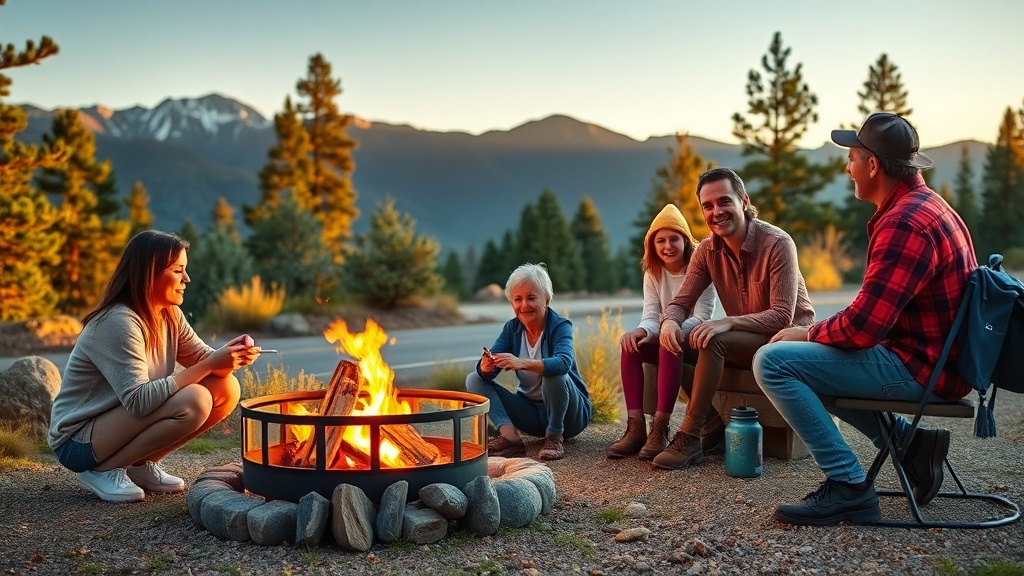
Propane vs. Wood Fire Pits: Which Is Best for Your Spring Road Trip?

Ever stood at the edge of a forest road, wondering whether to spark up a propane tank or pile a stack of logs? That split‑second decision can set the tone for your entire spring adventure.
In this quick‑hit guide, I compare propane and wood fire pits side by side—cost, convenience, flavor, and environmental impact—so you can pick the campfire companion that fits your road‑trip style.
What are the main differences between propane and wood fire pits?
Both systems aim to give you that crackling warmth, but they do it in very different ways. Propane offers instant heat with clean burn, while wood gives you authentic smoke flavor and a classic campfire feel.
How much does each option cost up front and over time?
Propane fire pits typically range from $80 to $250 for the unit. Add a $30‑$50 refill tank and you’re looking at $110‑$300 for the first season.
Wood fire pits start around $60 for a basic steel bowl, but you’ll spend on firewood—about $5‑$10 per bundle, depending on your region. Over a five‑day road trip, that’s roughly $25‑$50 extra.
For a full‑season (≈20 trips), propane can stay under $400 if you buy a larger 20‑lb tank, while wood may climb to $300‑$350 depending on local prices.
Which option is more convenient for a road‑trip itinerary?
Propane: Click‑and‑go. No kindling, no ash cleanup, and you can refill at most gas stations. Perfect for tight schedules and “leave‑no‑trace” campgrounds that ban open wood fires.
Wood: Requires gathering or purchasing firewood, building a fire bed, and managing ash. It’s a slower ritual but can be part of the adventure, especially if you’re passing through forests that allow free‑gathered wood.
How do they compare on environmental impact?
Propane burns cleaner—producing about 12 µg CO₂ per MJ of energy, according to the EPA. Wood can be carbon‑neutral if sourced sustainably, but illegal logging or over‑harvesting can tilt the balance.
In a 2025 NRDC report, responsibly harvested wood emitted roughly 0.5 µg CO₂ per MJ, but the study warned about particulate matter in dense forests.
Bottom line: If you’re camping in a regulated campground, propane is the safer low‑impact choice. In remote, sustainably managed wilderness, wood can be just as green.
Which option delivers better flavor for campfire cooking?
Wood smoke infuses a smoky depth into dishes—think Dutch‑oven chili or maple‑apple crisp that taste like a pine‑kissed hug. Propane’s clean burn is ideal for quick boils or when you don’t want the food to pick up any “firey” notes.
My personal favorite? I start the fire with propane for a quick heat‑up, then toss a few cedar chips for that wood‑smoked aroma—best of both worlds.
What are the safety considerations for each?
Propane tanks must be stored upright, away from heat sources, and checked for leaks. The CDC recommends a leak detector spray before each use.
Wood fires require a clear fire ring, proper ventilation, and never leave the flames unattended. The US Forest Service outlines essential fire‑safe practices.
Which fire pit should I pack for my spring road trip?
If you value speed, low‑maintenance, and campground compliance, go propane. If you crave the ritual of building a fire, love that smoky flavor, and are camping in wood‑friendly areas, bring wood.
My go‑to combo: a compact propane pit for the first night (quick setup after a long drive), then a lightweight steel wood bowl for the following nights when I’m settled in a forest clearing.
Takeaway
Both propane and wood fire pits have their place on the road. Evaluate cost, convenience, eco‑impact, and flavor—then pack the one that matches your itinerary. And remember, a little cedar smoke can turn a propane blaze into a campfire classic.
Related Reading
- How to Choose the Perfect Portable Propane Fire Pit for Spring 2026 — a deep dive into sizing and features.
- Campfire Gear Showdown: Top Grills, Dutch Ovens & Fire Starters — compare gear beyond fire pits.
- 5 Must‑Have Accessories for Your Portable Propane Fire Pit — upgrade your setup.
- The Spring Fire: Why March Is the Best Month to Start Your Campfire Season — timing tips for spring trips.