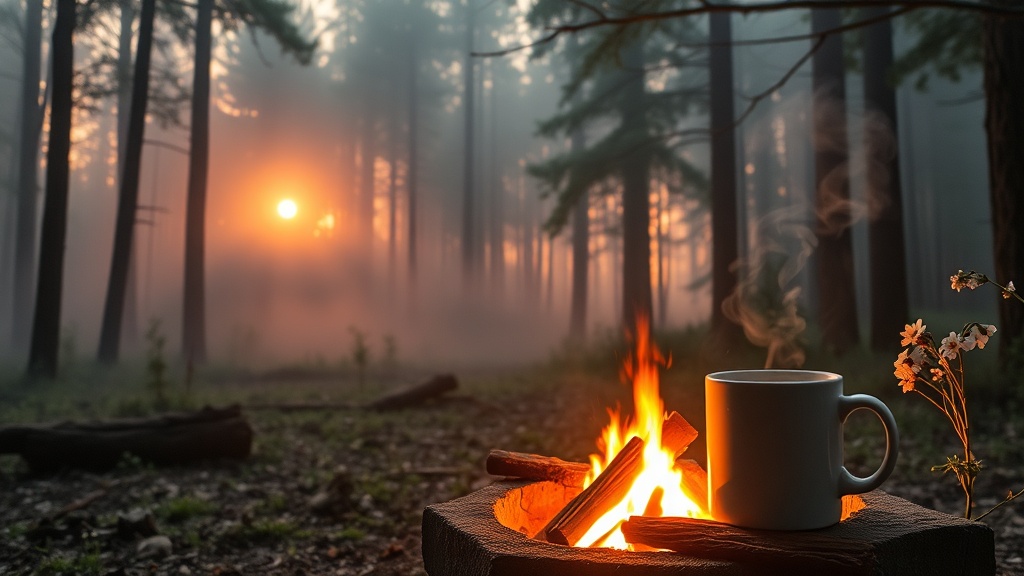
Spring Forward: Daylight Saving Tips for an Age‑Defying Routine

Did you know the simple act of turning your clock forward could be the spark your body’s anti‑aging engine needs? As the sun climbs earlier on March 8, 2026, that extra hour of daylight isn’t just a nuisance—it’s a natural cue to reboot your morning habits, sharpen your mind, and boost your metabolism.
Why does the daylight‑saving shift matter for health?
Research shows that aligning your schedule with natural light improves circadian rhythm, which in turn supports hormone balance, immune function, and cellular repair (NIH, 2024). When you honor the sunrise, you give your body a clearer signal to release melatonin at night and cortisol in the morning—two hormones that play starring roles in longevity.
What are the six pillars of an age‑defying spring routine?
Experts from the 2026 ‘six pillars’ report highlight sleep, movement, nutrition, sunlight, stress management, and purposeful connection. Below is a condensed, camp‑fire‑friendly version you can start the moment the clocks jump.
1. Sleep: Capture 7‑9 hours of quality rest
Turn off screens at least 30 minutes before bedtime and dim the lights to mimic dusk. A study in Sleep Medicine Reviews (2023) links consistent 7‑9‑hour sleep to a 15 % reduction in age‑related mortality.
2. Morning Light: Soak up sunrise for 10‑15 minutes
Step outside with a cup of coffee (or tea) and let natural light hit your eyes. The Harvard Health Blog notes that morning sunlight resets the circadian clock faster than artificial light.
3. Hydration + Movement: Jump‑start metabolism
Drink a glass of water with a pinch of sea salt, then do a 5‑minute dynamic stretch routine. Research from the Mayo Clinic shows that early‑day hydration improves metabolic rate by up to 30 %.
4. Protein‑Rich Breakfast: Fuel muscle repair
Combine eggs, nuts, or Greek yogurt with fresh berries. A 2022 nutrition meta‑analysis found that protein‑first breakfasts protect lean muscle mass, a key factor in longevity.
5. Mindful Breathing: Reduce cortisol spikes
Take three rounds of 4‑7‑8 breathing (inhale 4, hold 7, exhale 8). The technique lowers stress hormones within minutes, according to a study in Frontiers in Psychology (2021).
6. Intentional Connection: Share a moment around the fire
Gather friends for a brief “gratitude circle” before the day begins. Social bonding has been linked to longer telomeres, the protective caps on DNA, in research from the Lancet Psychiatry (2022).
How can you weave these pillars into a camp‑fire‑style morning?
Here’s a practical, 20‑minute sequence you can run on a porch, deck, or even a portable fire pit:
- Wake up, turn off the alarm, and open the curtains to let the sunrise in.
- Drink a glass of salted water while the fire crackles.
- Do a quick stretch: arm circles, hip swings, and a few lunges.
- Prepare a protein‑rich breakfast—think a skillet of scrambled eggs with wild herbs (my go‑to for spring).
- While the coffee brews, practice 4‑7‑8 breathing for two minutes.
- Gather your companions for a 2‑minute gratitude round: each person shares one thing they’re excited about this spring.
That’s it—one simple routine that hits every longevity pillar while keeping the campfire spirit alive.
What should you avoid when resetting for daylight saving?
- Skipping breakfast. Skipping triggers cortisol spikes that can accelerate cellular aging.
- Staring at screens. Blue light after sunset delays melatonin release.
- Ignoring the extra daylight. Staying indoors squanders the natural circadian reset.
Takeaway: Your spring‑forward age‑defying checklist
Print this quick list and keep it on your kitchen board:
- ☑️ Lights dim 30 min before bed.
- ☑️ Sunrise exposure 10‑15 min.
- ☑️ Hydrate + 5‑min stretch.
- ☑️ Protein‑first breakfast.
- ☑️ 4‑7‑8 breathing.
- ☑️ 2‑min gratitude circle.
Start this routine on March 8, and you’ll give your body a seasonal jump‑start toward a longer, healthier life.
Related Reading
- The Morning Fire: Why the Best Cup of Coffee Happens Before Everyone Else Wakes Up – Learn how early coffee can sync with your circadian rhythm.
- The 20‑Minute Campfire Start Routine I Use Before Every Fire Night – A ready‑made checklist you can adapt for your spring mornings.
- The Spring Fire: Why March Is the Best Month to Start Your Campfire Season – Harness March’s energy for outdoor wellness.
- The Secret to a Fire That Actually Lasts: Think in Layers – Layering habits, just like fire, for lasting results.