Spring Gardening: Pollinator‑Friendly Herb Garden for Beginners

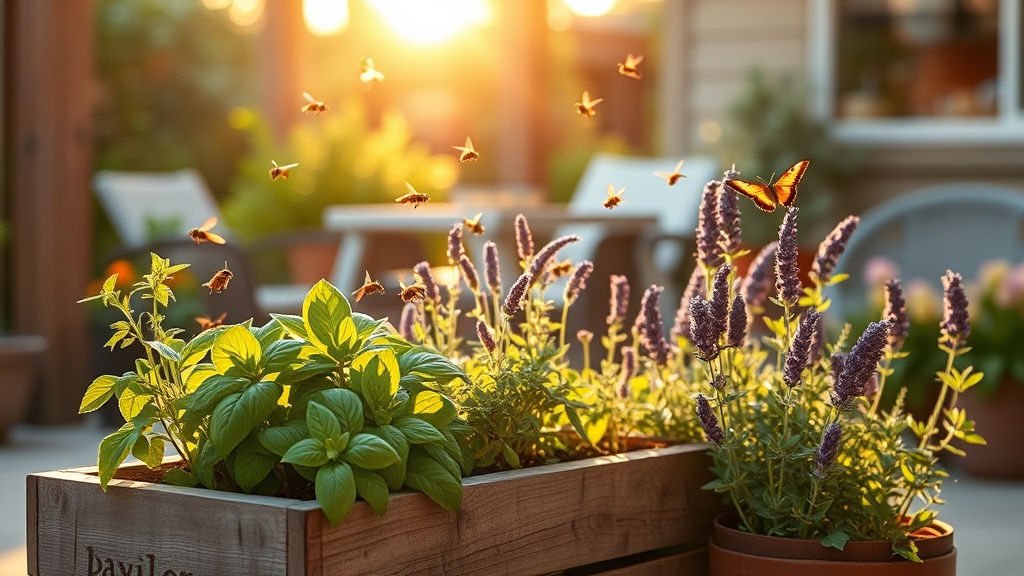
<featured-image src="https://images.realcontent.blog/campfirestories/migrated/fal/4c89f6ab806f1295.jpg\" alt="Warm sunlit garden patio with herb containers, bees and butterflies over basil, thyme, and lavender" />

Hook
Do you hear that buzz? Spring is humming with life, and your backyard can be the next hotspot for pollinators. With just a few herb‑filled containers, you can turn a modest space into a thriving sanctuary that feeds bees, butterflies, and your own kitchen.
Why It Matters
Pollinators are the unsung heroes of our food system, and their numbers are slipping fast. Planting a pollinator‑friendly herb garden is an easy, low‑maintenance way to give them a boost while harvesting fresh flavor for campfire meals and everyday cooking.
What to Plant?
Which herbs attract the most pollinators?
- Basil – its fragrant leaves draw honeybees and hoverflies.
- Lavender – purple blooms are a magnet for butterflies and bees.
- Thyme – tiny flowers provide early‑season nectar.
- Mint – spreads quickly, offering shelter and pollen.
- Sage – attracts bumblebees with its tubular flowers.
Tip: Choose varieties that stay compact for containers, like ‘Genovese’ basil or ‘English’ lavender.
How to Choose Containers?
What container sizes work best for small spaces?
- Terracotta pots (8‑10 in.) – breathable walls keep roots healthy.
- Recycled wooden crates – add rustic charm and fit the campfire vibe.
- Stackable metal trays – perfect for balconies.
Pro tip: Add a layer of gravel at the bottom for drainage, then a mix of potting soil and a handful of sand.
Planting Schedule
When should I sow these herbs in spring?
- Mid‑March – Start seeds indoors for basil and thyme.
- Early April – Transplant seedlings after the last frost.
- Late April – Direct‑sow lavender and sage outdoors.
- May – Add mint cuttings; they’ll root quickly.
Pro tip: Plant in groups of 3‑4 to create a visual “patch” that pollinators love.
Care & Maintenance
How do I keep my herb garden pollinator‑ready?
- Water wisely: Keep soil moist but not soggy; a drip emitter works wonders.
- Feed lightly: Use a balanced organic fertilizer once a month.
- Prune regularly: Snip spent blooms to encourage new growth and more nectar.
- Avoid pesticides: Opt for neem oil or hand‑removal of pests.
Harvesting for Campfire Cooking
Which herbs are best for campfire recipes?
- Basil – perfect for fresh pesto over grilled veggies.
- Lavender – adds a floral note to campfire desserts.
- Mint – brightens hot cocoa or summer teas.
Related read: <a href="/blog/campfire-chili-in-a-dutch-oven-the-ultimate-spring-recipe-guide">Campfire Chili in a Dutch Oven shows how to infuse herbs into hearty meals.
Sustainable Extras
How can I make my garden even greener?
- Compost: Toss kitchen scraps into a small bin to feed your herbs.
- Rain barrel: Collect rainwater for watering; it’s free and soft.
Read more: <a href="/blog/eco-friendly-spring-cleaning-7-day-campground-refresh">Eco‑Friendly Spring Cleaning for tips on reducing waste around the campsite.
Quick‑Start Checklist
- Choose 3‑5 pollinator‑friendly herbs.
- Pick breathable containers with drainage.
- Plant according to the schedule above.
- Water, feed, and prune weekly.
- Enjoy fresh herbs in your next campfire feast.
Takeaway
Your spring herb garden can be a tiny ecosystem that supports pollinators, reduces your carbon footprint, and flavors every campfire meal. Follow this simple plan, and you’ll have a buzzing backyard oasis in no time.
Related Reading
- <a href="/blog/spring-cleaning-essentials-practical-tips-for-a-fresh-start">Spring Cleaning Essentials: Practical Tips for a Fresh Start – keep your garden tools spotless.
- <a href="/blog/best-portable-campfire-stoves-for-spring-2026-a-handson-review">Best Portable Campfire Stoves for Spring 2026 – perfect for cooking your herb‑infused dishes on the go.