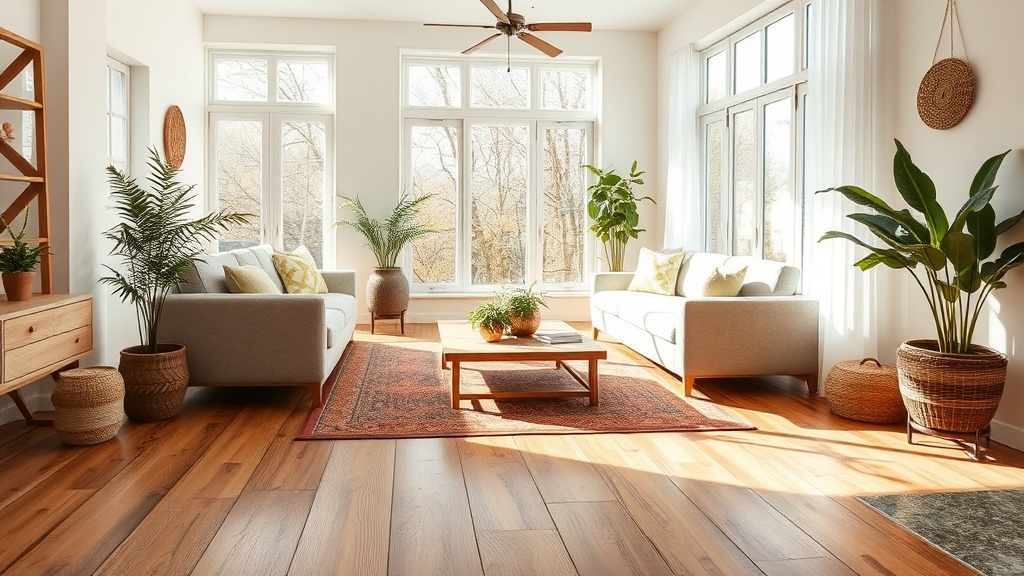
Sustainable Flooring Ideas for a Spring Home Refresh — Eco-Friendly Materials That Wow

Hook: Want to give your home a fresh, springy glow while staying kind to the planet? Imagine walking on reclaimed wood that tells a story, bamboo that whispers sustainability, and recycled tile that shimmers like a spring brook.
Context: Spring is the perfect time to open windows, let sunlight pour in, and, yes, change your floors. A new floor can instantly transform a room’s vibe, boost resale value, and reduce your environmental footprint.
What are the most accessible sustainable flooring options for a spring makeover?
When I’m scouting a campsite, I always look for gear that’s built to last and can be repurposed. The same mindset works at home. Three floor types hit the sweet spot of affordability, DIY‑friendliness, and eco‑credibility:
- Reclaimed wood — salvaged from old barns, factories, or de‑constructed homes.
- Bamboo — a fast‑growing grass that’s harvested responsibly.
- Recycled glass or ceramic tile — made from post‑consumer waste, often with dazzling color palettes.
Each option brings a distinct spring aesthetic, from warm, weather‑worn tones to crisp, light‑filled surfaces.
How much does reclaimed wood flooring cost, and what should I look for?
Cost: According to HomeAdvisor, reclaimed wood runs $5‑$12 per square foot installed, depending on species and finish.
What to look for:
- Source transparency — reputable salvagers provide provenance (e.g., “old Pennsylvania barn, 1902”).
- Condition — check for nails, rot, or insect damage.
- Finish — pre‑finished boards save time; unfinished lets you custom‑stain to match spring pastels.
Pro tip: Pair reclaimed planks with a light‑colored area rug to keep the room feeling airy while preserving the wood’s character.
Why is bamboo considered a green flooring champion?
Bamboo grows 3‑5 feet per year, far faster than trees, meaning it can be harvested sustainably every 3‑5 years. The U.S. EPA rates bamboo as a low‑impact material when sourced from certified farms.
Installation: Click‑lock floating systems make DIY a breeze. Most kits require only a utility knife, rubber mallet, and a tapping block.
Design tip: Choose strand‑woven bamboo for a tighter grain that resists dents — perfect for high‑traffic entryways. Light‑tone bamboo pairs beautifully with pastel walls and spring‑time floral accents.
How can recycled tile give my spring home a pop of color without the carbon cost?
Recycled glass tiles are made from post‑consumer bottles and broken ceramics, diverting waste from landfills. The World Green Building Council notes that using recycled content can cut a tile’s embodied carbon by up to 30%.
Installation: These tiles are thin (¼‑½ inch) and can be installed over existing subfloor with thin‑set mortar. They’re ideal for bathroom walls, kitchen backsplashes, or a bold hallway runner.
Design inspiration: Choose soft teal or sunrise orange shards to echo spring’s palette. Pair with reclaimed wood borders for a rustic‑modern vibe.
Which sustainable flooring option matches my spring aesthetic and budget?
| Option | Avg. Cost (incl. install) | DIY‑friendliness | Spring vibe |
|---|---|---|---|
| Reclaimed wood | $8‑$15 / sq ft | Moderate (needs sanding, finishing) | Warm, lived‑in charm |
| Bamboo | $4‑$9 / sq ft | Easy (click‑lock) | Light, airy, modern |
| Recycled tile | $6‑$12 / sq ft | Moderate (thin‑set) | Colorful, artistic |
If you’re on a tighter budget, bamboo wins on price and ease. For a story‑laden look, reclaimed wood adds character. When you crave a splash of spring color, recycled tile steals the show.
How do I maintain these eco‑friendly floors throughout the season?
- Reclaimed wood: Sweep daily, mop with a damp (not wet) cloth, and apply a natural oil finish once a year.
- Bamboo: Use a pH‑neutral cleaner; avoid excessive water which can cause swelling.
- Recycled tile: Clean with a mild grout cleaner; reseal grout lines annually to prevent staining.
Quick win: Add a spring‑themed runner or area rug — this protects high‑traffic zones and lets you swap patterns each season.
Takeaway
Your spring home refresh doesn’t have to sacrifice style for sustainability. Whether you choose the story‑laden grain of reclaimed wood, the rapid‑renewal charm of bamboo, or the vibrant sparkle of recycled tile, you’ll end up with a floor that feels fresh, looks gorgeous, and honors the planet. Pick one, roll up those sleeves, and let the earth‑friendly transformation begin.
Internal links:
- Eco‑Friendly St. Patrick’s Day Home Refresh on a Budget
- Spring Cleaning Essentials: Practical Tips for a Fresh Start
- Eco‑Friendly Spring Cleaning: 7‑Day Campground Refresh
External references:
- U.S. EPA – Sustainable Flooring Guide (https://www.epa.gov/greenbuilding/sustainable-flooring)
- World Green Building Council – Embodied Carbon of Recycled Materials (https://www.worldgbc.org/)
- HomeAdvisor – Reclaimed Wood Flooring Cost (https://www.homeadvisor.com/cost/flooring/reclaimed-wood-flooring/)
- The Spruce – Bamboo Flooring Overview (https://www.thespruce.com/bamboo-flooring-4177355)
- Tile Magazine – Recycled Glass Tile Benefits (https://www.tilemagazine.com/education/eco-friendly-recycled-glass-tile)
FAQ
{
  "meta": {
    "faqs": [
      {"question": "How much does reclaimed wood flooring cost?", "answer": "Reclaimed wood typically runs $5‑$12 per square foot installed, depending on species and finish, according to HomeAdvisor."},
      {"question": "Is bamboo flooring truly sustainable?", "answer": "Yes—bamboo grows 3‑5 feet per year and can be harvested every 3‑5 years, making it a fast‑renewable resource recognized by the EPA as low‑impact."},
      {"question": "Can I install recycled tile myself?", "answer": "Most recycled glass tiles are thin‑set over existing subfloors and can be installed as a DIY project with a trowel and grout, though proper sealing is recommended after installation."}
    ]
  }
}