What Gear Actually Works for Long-Distance Van Life?

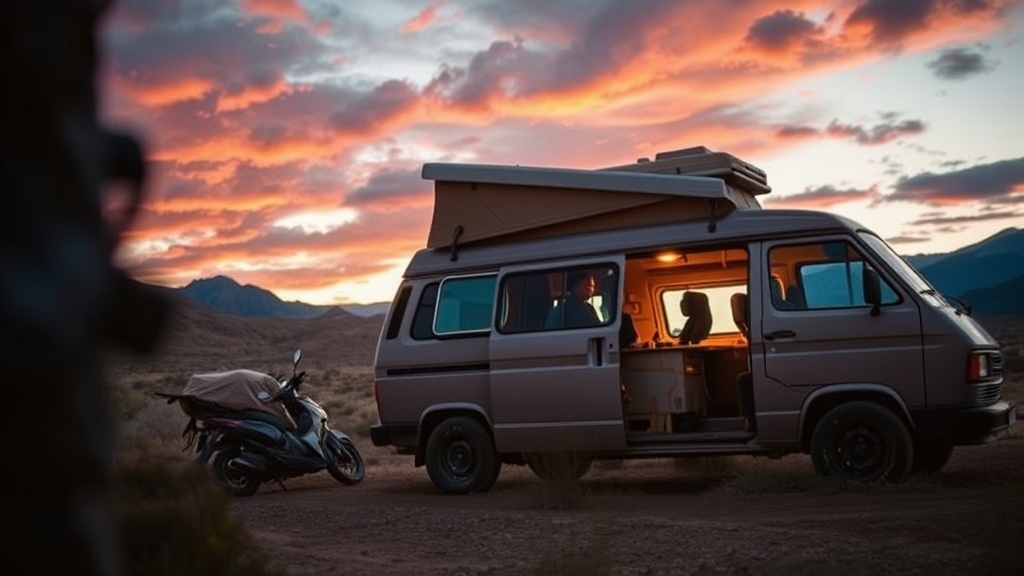
Imagine pulling into a remote trailhead in the High Desert at dusk. You've been driving for six hours, the sun is dipping low, and you realize your lithium battery bank is nearly drained because you forgot to check the voltage. You reach for your portable stove, only to find the fuel canister is empty, or worse, the wind is too high for your cheap burner to even light. These aren't just minor inconveniences; they're the moments that can turn a beautiful road trip into a stressful survival situation. Choosing the right equipment for a mobile lifestyle requires more than just picking things that look good on a website—it requires a focus on durability, power efficiency, and space optimization.
When you're living out of a van or an RV, every square inch matters. You aren't just packing for a weekend; you're managing a miniature, mobile ecosystem. This guide looks at the heavy-hitting gear categories that make or break a long-distance excursion, from power systems to compact kitchen setups.
How do I choose a reliable power station for my van?
Power is the heartbeat of your mobile setup. Without it, your lights go out, your fridge dies, and your phone—your only map—becomes a paperweight. Most people start by looking at portable power stations, but there's a big difference between a consumer-grade battery and a system designed for continuous use. You'll want to look for LiFePO4 (Lithium Iron Phosphate) batteries. They might cost a bit more upfront, but they can handle hundreds of charge cycles without losing significant capacity.
If you're relying on solar to keep things running, don't just buy the first panel you see. Look for monocrystalline panels—they tend to be more efficient in low-light conditions. You can check the technical specs and real-world performance-testing at sites like PCMag to see which brands actually hold their charge under pressure. A good rule of thumb: calculate your total daily wattage consumption (fridge + lights + laptop + phone) and then add a 20% buffer for cloudy days. It's better to have too much power than to be sitting in the dark halfway through a desert stretch.
Which compact stove setup is best for small spaces?
In a van, you don't have room for a full-sized propane tank and a heavy cast iron griddle. You need something that can fold down or nest within itself. Single-burner butane stoves are popular because they're incredibly lightweight, but they have a major flaw: they are useless in anything more than a light breeze. If your road trips take you through windy mountain passes, a liquid fuel stove or a high-quality even-heat burner is a smarter bet.
Consider the footprint of your cooking. A nesting set of stainless steel cookware is a life-saver. You want pots that stack perfectly inside one another. When space is tight, even a few inches of counter space can feel like a luxury. Many seasoned travelers swear by a single, high-quality way to cook—perhaps a small pressure cooker or a high-efficiency stove—rather than a collection of mediocre gadgets that take up too much room.
What are the best ways to store food in a small van?
Food storage in a mobile environment is a constant battle against heat and space. If you aren't running a compressor fridge, you're likely relying on high-end coolers. However, even with a fridge, you need a strategy for organization. Use clear, airtight containers for dry goods—not just to keep pests out, but so you can actually see what you have left without digging through a bin.
One of the biggest mistakes I see is people trying to store too many bulky items. Instead of a dozen different bags, try to standardize your containers. If everything is a square or a rectangle, it stacks. If it's a weird, round bag of chips, it creates "dead space" that you can never use again. For more tips on food safety and storage temperatures, the CDC offers great resources on keeping food at safe temperatures during travel and outdoor activities.
Is a portable water filtration system worth it?
Water is heavy. If you're driving long distances, carrying dozens of gallons of water takes up a massive amount of weight and space. This is where a filtration system becomes a game-changer. A high-quality gravity filter or a pump-style filter allows you to stop relying on gas station availability and start relying on your ability to find clean sources.
A gravity filter is particularly great for van life because it doesn't require you to stand there pumping water for ten minutes. You just hang the bag, let gravity do the work, and go about your business. It’s a passive way to ensure you have a constant supply of clean water for drinking and cooking, which significantly reduces the amount of heavy lifting you have to do when restocking.
When selecting a filter, don't just look at the price. Look at the micron rating. You want something that can filter out more than just large particles; it needs to handle bacteria and protozoa. This is the difference between a quick sip of water and a week of sickness in the middle of nowhere.
How can I maximize my organization while on the road?
Organization isn't just about being neat; it's about efficiency. In a van, everything should have a "home." If you have to move three things to get to your coffee mug, your system is broken. Use modular bins and hanging organizers to keep things off the floor and off the limited counter space.
I often suggest using soft-sided bags for clothing and hard-sided bins for heavy tools or kitchen gear. Soft-sided bags can be squished into awkward corners, whereas hard-sided bins provide a stable base for stacking. This kind of "tetris-style" packing is what separates the pros from the beginners. It’s about knowing exactly where every single item is, even when you're miles away from a paved road.
Remember, the goal of your gear setup is to reduce friction. The less time you spend looking for a wrench or a spoon, the more time you spend actually enjoying the view. Whether you're a weekend warrior or a full-time nomad, your gear is your lifeline. Invest in items that are built to last and designed to be compact. Your future, tired, hungry self will thank you.