Why Your Camp Water Is Tasting Like Plastic

A single sip of lukewarm water from a translucent blue Nalgene bottle shouldn't leave a chemical aftertaste, yet many campers find themselves reaching for the juice box or soda instead. This guide explains exactly why your hydration tastes like a plastic factory and how to fix it using better gear, proper storage, and smarter cleaning techniques. Whether you are car camping at Yosemite or trekking through the Cascades, ensuring your water remains neutral is essential for both taste and long-term health.
The Culprits Behind the Plastic Taste
The "plastic" flavor you are experiencing is rarely the water itself; it is usually a byproduct of chemical leaching or improper storage. Understanding the source allows you to troubleshoot your kit before you even leave the driveway.
Polyethylene and Leaching
Most budget water bottles are made from various grades of plastics like Polyethylene (PE) or Polypropylene (PP). When these containers are exposed to high heat—such as sitting in a hot car or a sunny tent—the chemical bonds can weaken, causing microscopic amounts of the material to leach into the liquid. This is especially common with older, scratched bottles where the surface area for leaching is increased. If you are using a cheap, single-use plastic bottle for more than a single day, you are likely tasting the degradation of the container.
Microbial Biofilms
Sometimes, what you perceive as a "plastic" or "stale" taste is actually a buildup of biofilm. This is a thin, slimy layer of bacteria and organic matter that clings to the interior walls of your bottle or hydration bladder. Even if you rinse your bottle with plain water, these microscopic colonies remain. As they grow, they release metabolic byproducts that create a distinct, unpleasant odor and flavor that mimics the smell of a plastic factory.
The Hydration Bladder Problem
Hydration bladders (the reservoirs used in hiking backpacks) are notorious for this issue. Because they are often made of flexible TPU (Thermoplastic Polyurethane), they are highly susceptible to absorbing odors from previous contents. If you once had a sports drink or even just a heavily mineralized water in that bladder, the scent can linger for months, making every subsequent sip of plain water taste like the previous occupant.
How to Choose Better Hydration Gear
To eliminate the plastic taste, you must move away from low-grade plastics and toward materials that are chemically inert. This means choosing gear that does not react to the water or the temperature.
- Stainless Steel: This is the gold standard for camp hydration. A double-walled, vacuum-insulated stainless steel bottle (like those from YETI or Hydro Flask) provides a non-reactive surface. Because the steel is inert, it won't leach chemicals, and the insulation prevents the water from heating up, which slows down the leaching process in any residual coatings.
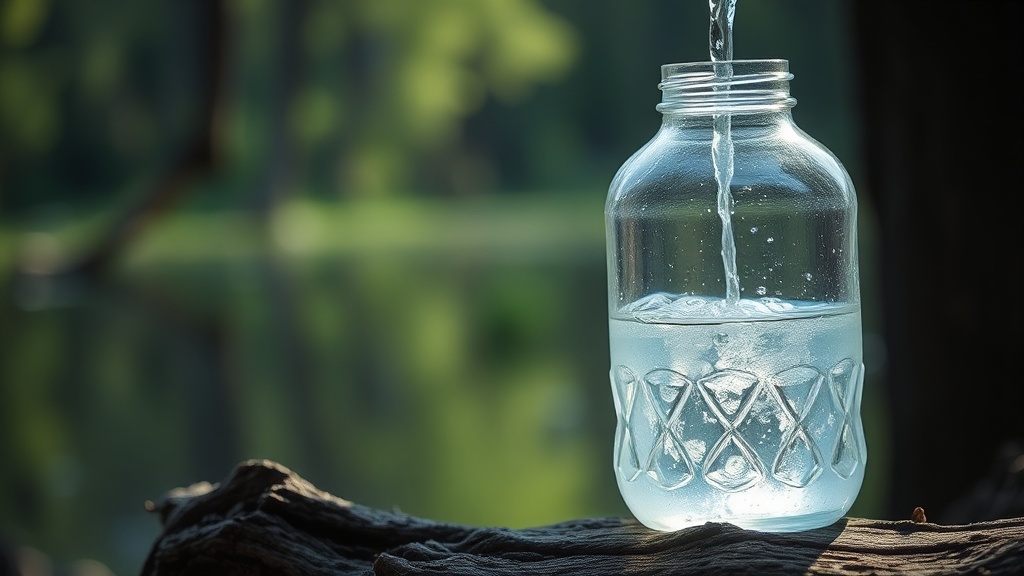
- Borosilicate Glass: If you are car camping and don't need to carry your water in a backpack, glass is the best option. Glass is completely non-reactive and provides the cleanest possible taste. However, it is fragile, so it is best reserved for stationary use at the campsite.
- High-Grade Silicone and BPA-Free Tritan: If you must use plastic, look for Tritan copolyester. It is designed to be much more durable and resistant to odor and leaching than standard polyethylene.
- Titanium: For ultralight backpackers, titanium bottles or even titanium-lined hydration systems offer the most neutral taste profile with the least amount of weight, though they come at a premium price.
Cleaning and Maintenance Protocols
Buying expensive gear is only half the battle; you must also maintain it correctly. A dirty bottle will make even the best stainless steel taste bad if it isn't cleaned properly.
The Vinegar Soak
If your bottle has developed a persistent odor, a simple water rinse will not work. Instead, fill your bottle or bladder with a mixture of one part white distilled vinegar and four parts water. Let this sit for at least two hours, or ideally overnight. The acetic acid in the vinegar breaks down the biofilm and neutralizes odors. After the soak, rinse thoroughly with warm water. If you are dealing with a hydration bladder, use a specialized cleaning kit like the HydraPak Bladder Cleaning Kit to reach the corners of the reservoir.
Baking Soda for Odor Absorption
For stubborn smells that vinegar can't touch, baking soda is your best tool. Create a thick paste of baking soda and a small amount of water, then use a bottle brush to coat the interior walls. Let the paste sit in the bottle for several hours before rinsing. This is particularly effective for removing the "stale" taste from stainless steel bottles that have been sitting in a storage bin for the off-season.
The Importance of Drying
The most common mistake in camp hygiene is storing a bottle while it is still damp. Moisture trapped inside a closed bottle is a breeding ground for the bacteria that cause biofilm. After washing your gear, you must dry it completely. For water bottles, store them upside down on a drying rack. For hydration bladders, use a specialized drying hanger to ensure air can circulate through the tube and the reservoir. If you store a wet bladder in a dark backpack, you are essentially creating a petri dish.
Field Solutions: Dealing with Water in the Wild
When you are out on a road trip or a multi-day hike, you aren't always using filtered tap water. The source of your water can also influence the taste profile.
Mineral Content and Hard Water
If you are filling up at a mountain spring or a well-fed creek, the water may have a high mineral content (calcium, magnesium, or potassium). While this is healthy, it can give water a "heavy" or metallic taste. If you find your filtered water tastes "off," it might not be your bottle—it might be the geology of the area. Using a high-quality filter like a Sawyer Squeeze or a Katadyn BeFree will remove bacteria and protozoa, but it will not remove dissolved minerals. To fix this, you would need a filter capable of adsorption, such as a Grayl Geopress, which uses an activated carbon element to strip out chemicals and minerals.
Temperature Control
Heat accelerates the leaching of chemicals from plastic. If you are camping in high-heat environments like the Mojave Desert, never leave your water bottles in the sun or in a hot vehicle. Even if the bottle is "BPA-free," the heat can cause the plastic to off-gas. Keep your hydration gear in the shade, inside a cooler, or wrapped in a reflective thermal sleeve to maintain a neutral temperature and taste.
Summary Checklist for Clean Water
Before your next trip, run through this checklist to ensure your hydration is as clean as the environments you are exploring:
- Inspect: Check all plastic bottles for deep scratches or cloudiness, which indicate leaching risk.
- Upgrade: Replace old, cheap plastic bottles with vacuum-insulated stainless steel.
- Deep Clean: Use a vinegar soak or baking soda paste on any gear that has been sitting in storage.
- Dry Completely: Never pack away a damp bladder or bottle.
- Store Smart: Keep your water gear in the shade and away from direct heat sources.
Proper hydration is the foundation of a successful camping trip. By focusing on your gear material and your cleaning habits, you can ensure that the only thing you're tasting is the fresh, clean water you need to keep moving.