Campfire Gear Showdown: Top Grills, Dutch Ovens & Fire Starters

Campfire Gear Showdown: Top Grills, Dutch Ovens & Fire Starters
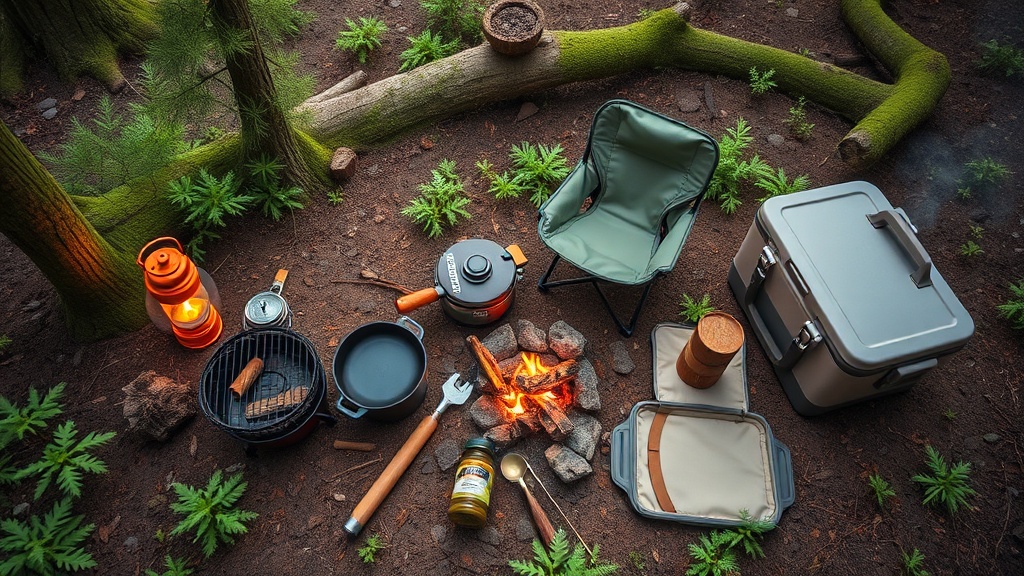
Ready to level up your spring road‑trip campfires? Whether you’re pulling over at a rest stop or setting up a fire pit in the woods, the right gear can turn a cold night into a memorable feast. In this quick‑hit guide I compare the three campfire essentials that keep my fire nights smooth: portable grills, Dutch ovens, and fire starters.
Why does gear matter for a spring campfire?
March brings longer days, but the evenings can still be chilly. A reliable grill lets you cook fast, a sturdy Dutch oven expands your menu, and a good fire starter guarantees you’re not wrestling with damp wood. Getting these pieces right means less hassle, more flavor, and a safer fire.
Which portable grill should you bring?
What’s the best all‑season portable grill?
Weber Go‑Anywhere Charcoal Grill — I just reviewed this grill (see my full review). It’s lightweight, has a built‑in ash catcher, and the adjustable vent gives you control over heat. Perfect for spring because the charcoal ignites quickly even when the air is still.
How does it stack up against gas options?
- Power‑Lite 2‑Burner Gas Grill — Fast heat‑up, but the propane can be finicky in cooler temps and the unit is bulkier.
- Coleman RoadTrip 285 — Affordable and compact, but the cooking surface is smaller and the lid doesn’t seal as well, leading to heat loss.
Overall, the Weber wins on heat control and durability, while the gas grill scores on convenience. If you prioritize flavor from charcoal, go Weber. If you need instant heat with minimal prep, the Power‑Lite is a solid backup.
What Dutch oven should you pack?
Which Dutch oven delivers the most versatility?
The Le Creuset Signature Dutch Oven (10‑inch) is my go‑to. It distributes heat evenly, handles both low‑and‑slow braises and quick roasts, and the enamel surface resists rust — a huge plus when you’re cooking over an open fire.
Are there budget‑friendly alternatives?
- Lodge Cast Iron Dutch Oven — Rougher finish but excellent heat retention; costs about $70.
- Camp Chef Dutch Oven — Lightweight aluminum with a non‑stick coating, ideal for backpacking.
For most spring trips, I recommend the Lodge for its price‑to‑performance ratio. If you’re after the classic campfire aesthetic and don’t mind the extra weight, Le Creuset still reigns supreme.
How to choose a reliable fire starter?
What makes a fire starter “camp‑ready”?
A good fire starter should ignite in damp conditions, burn long enough to catch larger wood, and be lightweight. I’ve tried three that consistently work:
- Ferrocerium Rod + Steel Striker — Works in any weather; just a few strikes and you have a hot ember.
- Eco‑Friendly Wax‑Infused Fire Logs — Easy to use, but bulkier and a bit pricey.
- Lightning Strike Waterproof Matches — Reliable in rain, but you need a dry storage container.
My favorite combo is the ferro rod for its reusability, paired with a small pack of waterproof matches as a backup.
Putting it all together: My Spring Campfire Kit
- Grill: Weber Go‑Anywhere Charcoal Grill
- Dutch Oven: Lodge 10‑inch Cast Iron
- Fire Starter: Ferrocerium rod + Lightning Strike matches
- Extras: Aluminum fire‑starter cubes for quick ignition, a compact charcoal bucket, and a sturdy grill grate.
This kit fits in the trunk of a midsize SUV and covers everything from searing burgers to simmering Dutch‑oven chili.
Takeaway
Investing in the right gear pays off in flavor, safety, and peace of mind. For spring road‑trip campfires, the Weber grill, a sturdy Lodge Dutch oven, and a ferrocerium fire starter give you the best mix of performance and portability. Grab these items, hit the highway, and let the fire do the storytelling.
Looking for recipe ideas? Check out 7 Spring Campfire Snack Ideas and the 20‑Minute Campfire Start Routine for quick prep tips.
For deeper gear specs, see the REI guide to portable grills, Consumer Reports grill buying guide, and the US Forest Service fire safety page.