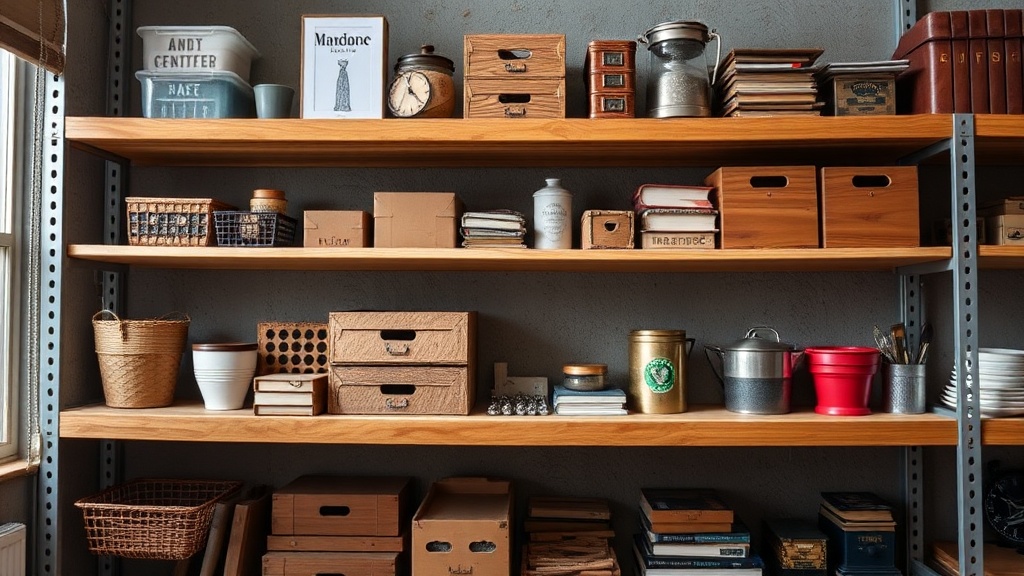
Fixing Your Sagging Shelves and Shaky Storage

The van jolts over a particularly deep pothole on a dusty backroad in Utah. Suddenly, a heavy glass jar of pickles slides from a shelf, hits the floor, and shatters. Your coffee mug tips, your spices spill, and your organized kitchen becomes a mess of broken glass and spilled coffee grounds. This happens because of gravity and vibration—two things that love to mess with mobile living. If your storage isn't secured, your gear won't survive the road.
This post covers how to identify weak points in your vehicle or camper storage and how to fix them. We’ll look at reinforcing shelving, securing loose items, and choosing the right materials so you can stop worrying about your gear every time you hit a bump. A stable interior means less time cleaning up messes and more time enjoying the view.
Why Are My Shelves Sagging?
Shelves usually sag because they are either overloaded beyond their weight capacity or the mounting points aren't strong enough to handle the vibrations of travel. It isn't just about the weight of the items; it's about the constant kinetic energy from the road. If you're driving a heavy rig, those bumps are much more punishing than a stationary shelf in a house.
Check your shelf brackets first. If you used thin wood or flimsy metal brackets, they'll bend under the pressure of even a few heavy cans of beans. I've seen people try to use standard household shelving in their van builds, only to have it collapse during a steep mountain descent. That's a recipe for a bad day.
Common culprits for sagging include:
- Insufficient support: Using a single center support instead of multiple brackets.
- Material fatigue: Using thin plywood (under 1/2 inch) for heavy items.
- Poor mounting: Screwing directly into thin aluminum or fiberglass without a solid frame or rib.
- Vibration wear: Constant movement loosening the screws over time.
If you find your shelves are bowing, you might need to add a "stiffener." A simple way to do this is to screw a strip of aluminum or a thicker piece of wood to the underside of the shelf. This adds rigidity without adding much weight. It's a quick fix that makes a massive difference.
How Do I Secure Gear in a Moving Vehicle?
You should use a combination of friction, tension, and physical barriers to keep your gear from sliding. Relying on a single bungee cord is rarely enough for a long trip. You need a multi-layered approach to ensure your expensive gear stays exactly where you put it.
One of the best ways to keep things from moving is to use non-slip liners. You've probably seen those rubberized mats for kitchen drawers—they work wonders in a van or a camper. They create a high-friction surface that prevents small items from skittering across a flat shelf. If you're hauling heavy cast iron, a simple mat won't cut it; you'll need a physical lip or a rim.
Here is a breakdown of the most effective ways to secure different types of gear:
| Gear Type | Best Method | Recommended Tool/Brand |
|---|---|---|
| Small Items (Spices/Spools) | Divided bins with lids | Rubbermaid Excursion Bins |
| Medium Items (Coffee/Grains) | Elasticized mesh or nets | Sea to Summit Gear Bags |
| Heavy Items (Cast Iron/Jars) | Custom wooden lips or cleats | Solid wood trim |
| Loose Tools/Tech | Hard-shell cases | Pelican Cases |
Don't forget about the "Shake Test." Once you've packed your shelves, give the vehicle a gentle shake while it's parked. If things are rattling, they're going to fly when you hit a real bump. If you hear a clink, you aren't ready to leave. It's better to find the problem in your driveway than on a highway in the middle of nowhere.
For more advice on making sure your gear is ready for the road, check out this 5-minute gear check. It's a great habit to build before every trip.
What Are the Best Materials for Mobile Storage?
The best materials for mobile storage are lightweight, durable, and capable of handling vibration without cracking or warping. You want to avoid materials that are too brittle, like certain cheap plastics, because they can shatter when the temperature drops or the vehicle hits a bump. Aluminum and high-quality plywood are the industry standards for a reason.
If you are building your own shelving, I highly recommend using Baltic Birch plywood. It's much more stable than the standard construction-grade plywood you find at big-box stores. It has more layers, which means it's less likely to warp when the weather changes. Most van dwellers swear by it because it handles the constant temperature swings of life on the road.
When it comes to metal, aluminum is your best friend. It's light and won't rust, but it can be tricky to work with if you aren't experienced. If you're looking for something easier, look at heavy-duty extruded aluminum tracks. These allow you to move your storage around and adjust it as your gear changes. It's a flexible system that grows with you.
A few things to keep in mind when choosing materials:
- Weight: Every pound you add to your shelves is a pound less you can carry in fuel or food.
- Flexibility: A material that can handle a tiny bit of "give" is often better than something perfectly rigid that snaps under pressure.
- Texture: Use textured surfaces to increase grip and reduce sliding.
If you're traveling in a vehicle with a lot of electronics, you'll want to ensure your storage doesn't interfere with any electrical paths. According to the National Institute of Standards and Technology, understanding how different materials react to environmental stressors is a huge part of engineering—and that applies to your camper too. A shelf that works in a dry garage might fail in a humid forest.
How Do I Prevent Vibration Damage to My Gear?
To prevent vibration damage, you must isolate your gear from the direct impact of the vehicle's movement. This is done through damping and padding. If your gear is sitting directly on a hard surface, every tiny vibration is transferred straight into the object. This is why your glass jars break and your electronics fail.
The most effective way to dampen vibration is to use soft, energy-absorbing materials. Think of it as a shock absorber for your stuff. If you have a shelf that feels a bit too bouncy, adding a layer of foam or even a thick piece of felt can absorb that energy. It's a simple way to protect fragile items like coffee grinders or delicate glassware.
I've found that even small changes, like putting a piece of silicone matting under my stove, can save me from a dozen little accidents. It's a small investment of time that pays off significantly. If you're worried about your gear during a long-haul drive, don't overlook the power of padding. It's not just for the kids in the backseat; it's for your kitchen, too.
If you're building a more permanent setup, consider using specialized mounting hardware. For example, if you're mounting a heavy item like a water jug or a large battery, use vibration-resistant bolts and locking nuts. Standard nuts can vibrate loose over a few hundred miles of bumpy roads. It's a small detail, but it's the difference between a successful trip and a broken part.
When you're planning your next big trek, remember that a little preparation goes a long way. Whether you're organizing a small car or a large RV, the goal is the same: stability. If your storage is solid, you can focus on the campfire and the stars rather than the rattling of your coffee mugs. If you need to make sure your interior stays in good shape during a storm, read about keeping your van interior dry to ensure your storage doesn't become a soggy mess.