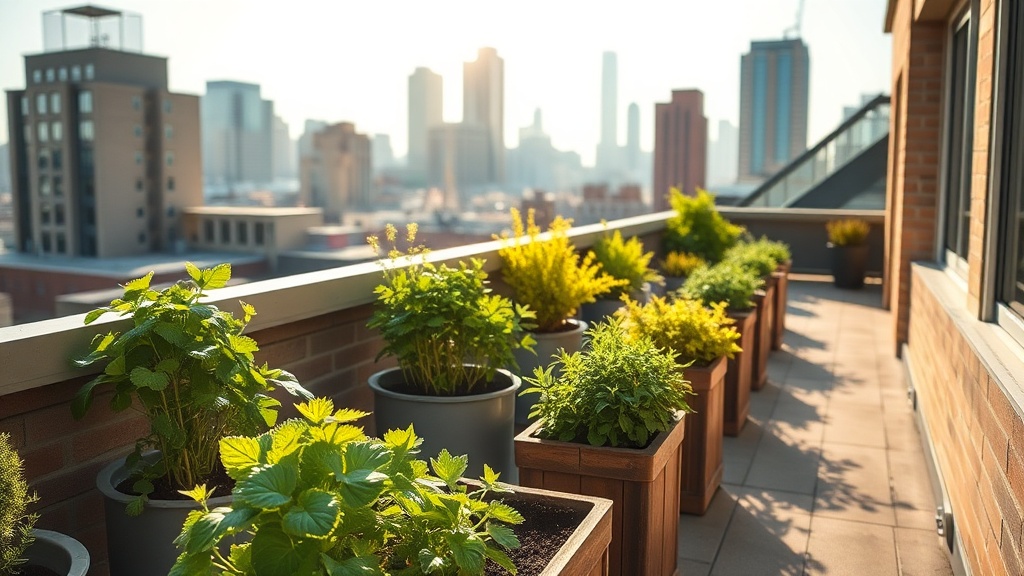
Urban Gardening 101: Growing Food in Small Spaces this Spring

Ever wondered how you could turn a tiny balcony or a windowsill into a fresh food oasis? In the middle of spring, the city buzzes with a surge of locals planting lettuce in pots and herbs on rooftops. If you’ve ever thought, “I don’t have a yard,” this guide is your shortcut to a thriving urban garden.
Why start an urban garden now?
Spring 2026 brings longer days, milder weather, and a wave of community initiatives—like NYC’s GreenThumb program—that make growing food in the city easier than ever. Harvesting your own greens reduces grocery trips, cuts your carbon footprint, and gives you fresh flavor right at your doorstep.
What do you need to get started?
- Space assessment: Identify a sunny spot (at least 4–6 hours of direct light). Balconies, windowsills, and rooftop railings work.
- Containers: Use lightweight pots, recycled buckets, or even old wooden crates. Ensure they have drainage holes.
- Soil mix: A 1:1:1 blend of potting soil, compost, and perlite provides drainage and nutrients.
- Water source: A simple watering can or a drip‑irrigation kit (see Epic Gardening’s guide).
Which crops thrive in tight spots?
Choose fast‑growing, shallow‑rooted varieties. Here’s a quick starter list:
- Leafy greens – lettuce, spinach, arugula (harvest in 30‑45 days).
- Herbs – basil, parsley, cilantro (snip as needed).
- Root veggies – radishes and baby carrots (they need only 4‑6 inches deep).
- Compact fruit – dwarf tomatoes or strawberries (use deep containers).
How do I set up a beginner‑friendly balcony garden?
I tried this on my own Asheville balcony last spring and learned a few tricks that saved me from wilted lettuce. Follow these steps:
- Lay a waterproof tray on the balcony floor to catch overflow.
- Arrange pots in a tiered rack (I used a reclaimed wooden ladder) to maximize vertical space.
- Plant greens in the top tier where sun hits hardest; herbs can sit lower.
- Water gently in the morning; watch for puddles that could attract ants.
- Rotate crops every 4 weeks to keep soil nutrients balanced.
What are common pitfalls and how to avoid them?
- Too much water: Over‑watering leads to root rot. Feel the soil—if the top inch is dry, it’s time to water.
- Insufficient light: Shadows from nearby buildings stunt growth. If light is limited, opt for shade‑tolerant lettuce varieties like ‘Buttercrunch.’
- Poor soil nutrition: Re‑feed every 3 weeks with a balanced organic fertilizer (Planet Natural).
How does urban gardening support sustainability?
According to the FAO’s urban agriculture report (2025), city‑grown produce can cut food‑miles by up to 80 %, dramatically reducing greenhouse‑gas emissions. Growing your own also lessens reliance on plastic‑wrapped produce and supports local biodiversity when you plant pollinator‑friendly flowers.
Where can I find more inspiration?
Check out my earlier pollinator‑friendly herb garden guide for a deeper dive into companion planting, and revisit the eco‑conscious home office nook for tips on integrating greenery into indoor spaces. For a quick, budget‑friendly décor boost, my Sustainable St. Patrick’s Day guide shows how to use repurposed containers as planters.
Takeaway
Urban gardening isn’t reserved for seasoned horticulturists—it’s a doable, rewarding habit for anyone with a sliver of sunlight. Start small, choose the right containers, and let the city’s spring energy fuel your growth. By the time summer rolls around, you’ll be harvesting fresh greens, herbs, and maybe even a few tomatoes—all from the comfort of your balcony.