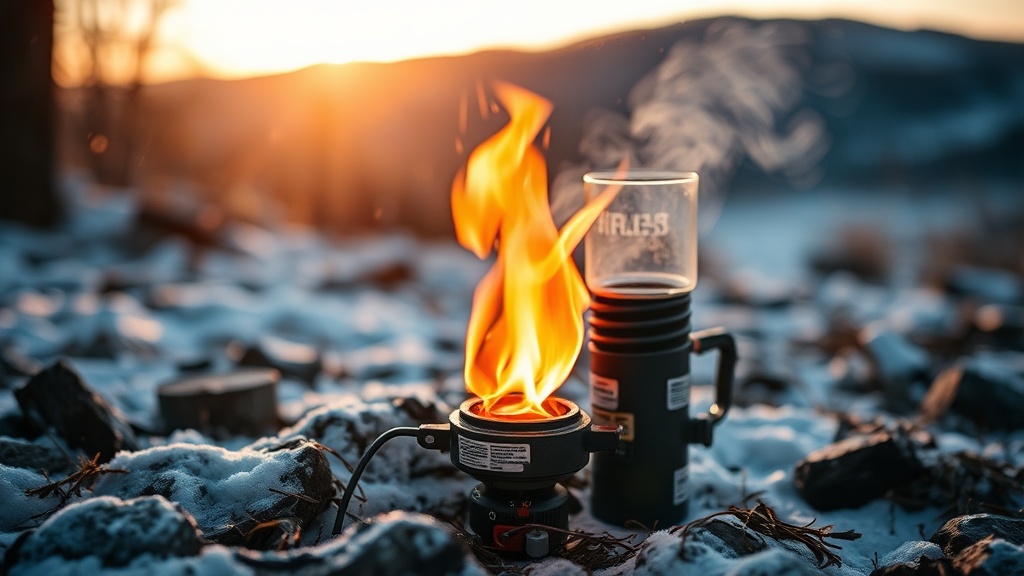
Why Your Camp Stove Is Failing You in Cold Weather

The Myth of the "Broken" Stove
Most campers assume that if their stove fails to ignite or produces a weak, flickering flame during a cold snap, the unit is defective or has reached the end of its lifespan. This is a misconception. In reality, your stove is likely functioning exactly as designed, but it is struggling against the laws of thermodynamics and physics. When temperatures drop below freezing, the primary culprit is almost never a mechanical failure; it is a drop in fuel pressure and gas volatility. Understanding how temperature affects your gear is the difference between enjoying a hot meal at a high-altitude site in the San Juan Mountains and shivering over a cold pot of coffee.
This guide breaks down the technical reasons why your cooking gear fails in the cold and provides specific, actionable solutions to ensure you have reliable heat regardless of the thermometer reading. We will cover fuel chemistry, pressure regulation, and the physical maintenance required to keep your kitchen operational in sub-zero environments.
The Science of Fuel Volatility
To fix the problem, you must first understand what is happening inside your fuel canister or liquid fuel bottle. Most portable camping stoves run on butane, propane, or a mix of both. Butane, the primary ingredient in many budget-friendly canisters, is highly sensitive to temperature. As the temperature drops, the internal pressure of the canister decreases. This happens because the liquid butane inside is not evaporating quickly enough to create the gas pressure needed to push the fuel through the valve and up to the burner.
If you are using a standard butane/propane mix in a canister like the Isobutane/Propane canisters from MSR or Jetboil, you will notice a significant drop in performance once the temperature hits 40°F (4°C). By the time you reach a freezing campsite in the Cascades, the butane may become almost entirely inert, leaving only the propane to do the heavy lifting. This results in a low, sputtering flame that lacks the BTU output necessary to boil water efficiently.
The Liquid Fuel Advantage
If your itinerary involves winter camping or high-altitude trekking where temperatures stay consistently below freezing, you should transition away from canister stoves and toward liquid fuel stoves. Stoves like the MSR WhisperLite International or the Primus OmniLite are engineered specifically for these conditions. These stoves use white gas (naphtha), which is much more stable in the cold. Because these stoves use a manual pump to pressurize the fuel bottle, you are creating the pressure yourself rather than relying on the natural evaporation of the gas.
Pressure Regulation and the Cold
Even if you use a high-quality canister stove, you are fighting a battle against pressure loss. When you ignite a stove, the gas leaving the canister undergoes rapid expansion. This expansion causes a "cooling effect" on the canister itself. This is why you often see frost or condensation forming on the side of a canister after ten minutes of use. This frost acts as an insulator, further cooling the remaining fuel and creating a feedback loop of decreasing pressure.
To combat this, you can use a few specific techniques to keep the fuel temperature stable:
- The Warm Water Soak: Before you even start cooking, place your fuel canister in a bowl of lukewarm water (not boiling, as extreme temperature shifts can damage the seals). This pre-warms the liquid inside and increases the internal pressure before you hit the igniter.
- Keep It Close to the Body: If you are backpacking, keep your fuel canisters inside your sleeping bag or near your body heat during the night. A warm canister performs significantly better than a frozen one.
- Avoid the Ground: Never place your fuel canister directly on frozen or snow-covered ground while it is in use. The ground acts as a massive heat sink, sucking the warmth out of the metal. Use a small piece of foam padding or a dedicated stove stand to create a thermal barrier.
Mechanical Failures in Cold Weather
Beyond the chemistry of the fuel, the physical components of your stove are also subject to the cold. O-rings, seals, and valves are often made of rubber or synthetic polymers that become brittle and lose elasticity when temperatures drop. This can lead to two distinct problems: leaking gas or a complete failure to ignite.
The O-Ring Issue
The most common mechanical failure is a leaking valve seal. When the rubber O-ring becomes cold and stiff, it can no more effectively seal the connection between the canister and the stove. This leads to a slow hiss of escaping gas. If you notice this, do not attempt to force the connection tighter, as this can actually crack the hardened rubber. Instead, try to warm the connection point with your hands or a bit of warm water to restore some flexibility to the seal.
The Ignition Failure
Piezoelectric igniters—the clicking buttons found on most modern stoves—can struggle in the cold. The electrical arc required to create a spark can be weakened by moisture or extreme cold. If your stove isn't sparking, it might not be a broken igniter; it might just be a lack of sufficient electrical potential due to the temperature. Always carry a backup method, such as a stormproof wayfarer match or a ferrocerium rod, to ensure you aren't left without a way to light your fuel.
Optimizing Your Cooking Setup for Efficiency
Once you have addressed the fuel and the hardware, you must optimize your actual cooking process. In cold weather, you are fighting heat loss at every stage of the meal preparation. Efficiency is your best friend when you are trying to boil water for dehydrated meals or coffee in a wind-swept clearing.
- Use a Windscreen: A simple aluminum windscreen can increase your stove's efficiency by up to 30%. Wind strips heat away from the flame and the vessel, preventing the heat from ever reaching your food. However, be cautious: if the windscreen is too close to the burner, it can trap too much heat and cause the stove to overheat and shut down.
- Pre-Heat the Vessel: Before adding your main ingredients, pour a small amount of water into your pot and hold it over the flame for a minute. This warms the metal of the pot, ensuring that the temperature drop caused by adding cold food or water is minimized.
- The Lid is Mandatory: Never boil water without a lid. A lid traps the steam and the heat, significantly reducing the time and fuel required to reach a boil.
If you are traveling in a vehicle or a van, you can further optimize your setup by organizing your kitchen to minimize exposure. For those looking to streamline their mobile kitchen, check out our guide on organizing your van life pantry to ensure your fuel and cooking gear are kept in a controlled, accessible environment.
Maintenance and Long-Term Storage
To prevent these issues from occurring in the field, you must implement a proper maintenance routine. After every trip, especially those involving cold or wet environments, perform a thorough inspection of your gear. This is especially important if you are using dispersed camping sites where you cannot easily swap out gear if something fails.
Check the Seals: Inspect your O-rings for any signs of cracking, flattening, or discoloration. If an O-ring feels hard or looks brittle, replace it immediately. Most manufacturers sell replacement seal kits for a few dollars, and it is a much cheaper investment than a new stove.
Clean the Burner Head: Cold weather often coincides with high humidity or snow. If moisture or debris gets into the burner ports, it can cause an uneven flame or prevent ignition. Use a small brush or a needle to clear any obstructions from the burner holes.
Store Properly: Never store your fuel canisters attached to your stove. This can lead to slow leaks as the seals age. Furthermore, avoid storing your stove in an unheated garage or shed during the off-season. Keeping your gear in a temperature-controlled environment like a closet or a basement helps maintain the integrity of the rubber components and ensures they are ready for your next adventure.
By understanding the relationship between temperature and fuel, and by preparing your hardware for the physical stresses of the cold, you can ensure that your camping kitchen remains a reliable source of warmth and nutrition. Whether you are in a tent in the high desert or a van in the mountains, a well-prepared stove is your most vital tool for survival and comfort.